소비가 먼저 꺾였다…경제 심리 위축의 신호
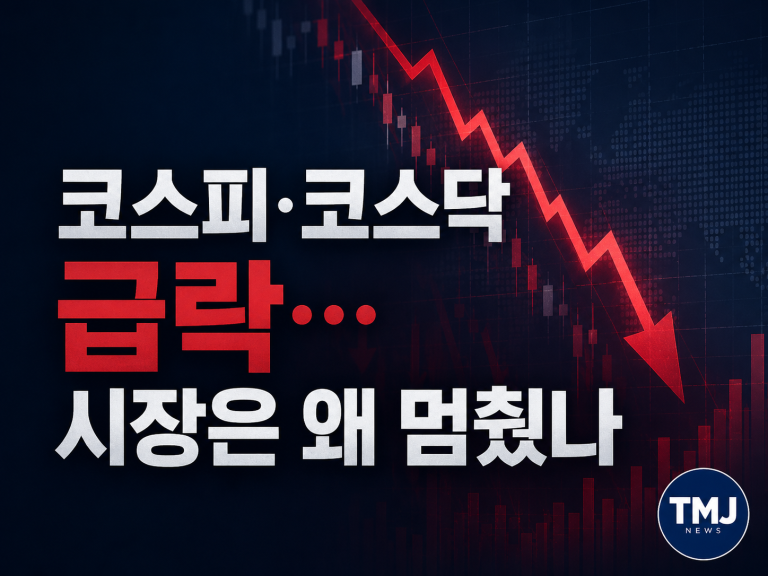
통계청이 발표한 4월 산업활동동향에 따르면 생산은 전월 대비 0.6%, 소비는 3.6%, 투자는 3.6% 감소했다. 생산·소비·투자가 동시에 줄어드는 이른바 ‘트리플 감소’가 나타난 것이다.
이번 지표에서 가장 눈에 띄는 것은 소비다. 소비 감소폭은 생산 감소폭(0.6%)의 6배에 달한다. 최근 중동 지역 긴장 고조로 국제유가와 원자재 가격 변동성이 확대되면서 소비 심리에도 영향을 미쳤다는 분석이 나온다. 여기에 고물가와 가계부채 부담 등 국내 요인까지 겹치면서 가계가 지갑을 닫기 시작했다는 해석에 힘이 실리고 있다.
소비는 경제의 가장 기초적인 동력이다. 소비가 꺾이면 기업은 생산을 줄이고, 투자도 뒤따라 위축된다. 순서가 중요하다.
기업도 관망세…투자 감소가 말하는 것
설비투자 3.6% 감소도 예사롭지 않다. 투자는 기업이 미래 경기를 어떻게 바라보는지를 보여주는 대표적인 지표다. 중동발 지정학적 리스크는 물류비 상승과 공급망 불안으로 이어질 수 있다. 불확실성이 커질수록 기업은 신규 투자보다 현금 확보를 우선시한다. 이번 투자 감소 역시 이러한 심리가 반영된 결과로 해석된다.
생산 감소는 결과일까, 원인일까
생산 감소를 원인으로 볼 것인지, 결과로 볼 것인지는 이번 지표 해석의 핵심이다. 시장에서는 생산 감소를 원인보다 결과에 가까운 현상으로 해석하는 시각이 우세하다. 소비와 투자가 먼저 위축됐고, 기업은 수요 감소를 예상해 생산량을 줄였다는 것이다. 생산 현장은 경제 심리가 가장 마지막으로 반영되는 곳이기도 하다.
일시적 조정인가, 추세의 시작인가
한 달 수치만으로 경기 침체를 단정할 수는 없다. 직전 달인 3월에는 계절적 소비 회복과 수출 호조가 맞물리며 생산·소비·투자가 모두 증가하는 ‘트리플 증가’가 나타난 바 있다. 4월 반락이 일시적 조정인지, 새로운 추세의 시작인지는 향후 발표될 경제지표가 판단 기준이 될 전망이다.
관건은 소비다. 소비 부진이 한 달에 그친다면 일시적 조정으로 볼 수 있다. 하지만 두 달 이상 이어진다면 한국 경제의 성장 동력 자체가 흔들리는 신호로 해석될 수 있다.
숫자보다 중요한 것은 심리
경제는 숫자로 기록되지만 심리로 움직인다. 소비자가 불안하면 지출을 줄이고, 기업이 불확실하면 투자를 미룬다. 이번 트리플 감소는 가계와 기업 모두가 미래를 조심스럽게 바라보고 있음을 보여주는 신호로 읽힌다.
중동발 불확실성이 단기간에 해소되지 않는 한 시장이 주목할 변수는 하나다. 소비가 돌아오느냐, 그렇지 않느냐다.
[ENG]
Consumption Weakens First, Signaling Deteriorating Economic Sentiment
According to South Korea’s April Industrial Activity Trends released by Statistics Korea, production fell 0.6% from the previous month, while consumption and investment each declined 3.6%. The figures mark a so-called “triple decline,” with all three major pillars of economic activity moving downward at the same time.
Among the indicators, consumption stands out the most. The decline in consumption was six times larger than the drop in production. Analysts say growing uncertainty surrounding tensions in the Middle East, coupled with volatility in global oil and commodity prices, has weighed on consumer sentiment. At the same time, persistent inflation and household debt burdens appear to have further discouraged spending.
Consumption remains the most fundamental engine of economic activity. When consumers reduce spending, businesses tend to scale back production, and investment often follows. The sequence matters.
Businesses Turn Cautious as Investment Slows
The 3.6% decline in facility investment is also drawing attention. Investment is widely viewed as a key indicator of how companies perceive future economic conditions. Geopolitical risks stemming from the Middle East have raised concerns over higher logistics costs and potential supply-chain disruptions.
As uncertainty grows, companies typically prioritize cash preservation over expansion. Analysts believe the latest investment decline reflects that increasingly cautious mindset.
Is Falling Production the Cause or the Result?
One of the key questions surrounding the latest data is whether declining production is a cause of economic weakness or merely a consequence of it.
Many analysts lean toward the latter view. As consumption and investment weakened, businesses anticipated softer demand and adjusted production accordingly. In that sense, production may be viewed as the final stage at which shifts in economic sentiment become visible.
Temporary Adjustment or the Beginning of a Trend?
Despite the disappointing figures, economists caution against drawing conclusions based on a single month’s data.
In March, production, consumption and investment all increased, producing a “triple increase” supported by recovering consumer demand and strong exports. Whether April’s downturn represents a temporary correction or the beginning of a broader slowdown will likely become clearer in the coming months.
The key variable remains consumption. If weaker spending proves short-lived, the decline may be viewed as a temporary adjustment. However, if the trend persists for several months, concerns over South Korea’s long-term growth momentum could intensify.
Sentiment Matters More Than Numbers
Economic performance may be measured in numbers, but it is often driven by sentiment.
Consumers spend less when they feel uncertain about the future, while businesses delay investment when risks rise. The latest triple decline suggests that both households and companies are approaching the economic outlook with greater caution.
As long as uncertainty surrounding the Middle East remains unresolved, markets are likely to focus on one critical question: Will consumer spending recover, or will it continue to weaken?
저작권자 © '더미디어저널리스트' 무단전재 및 재배포, AI학습 및 활용 금지
작성자 소개