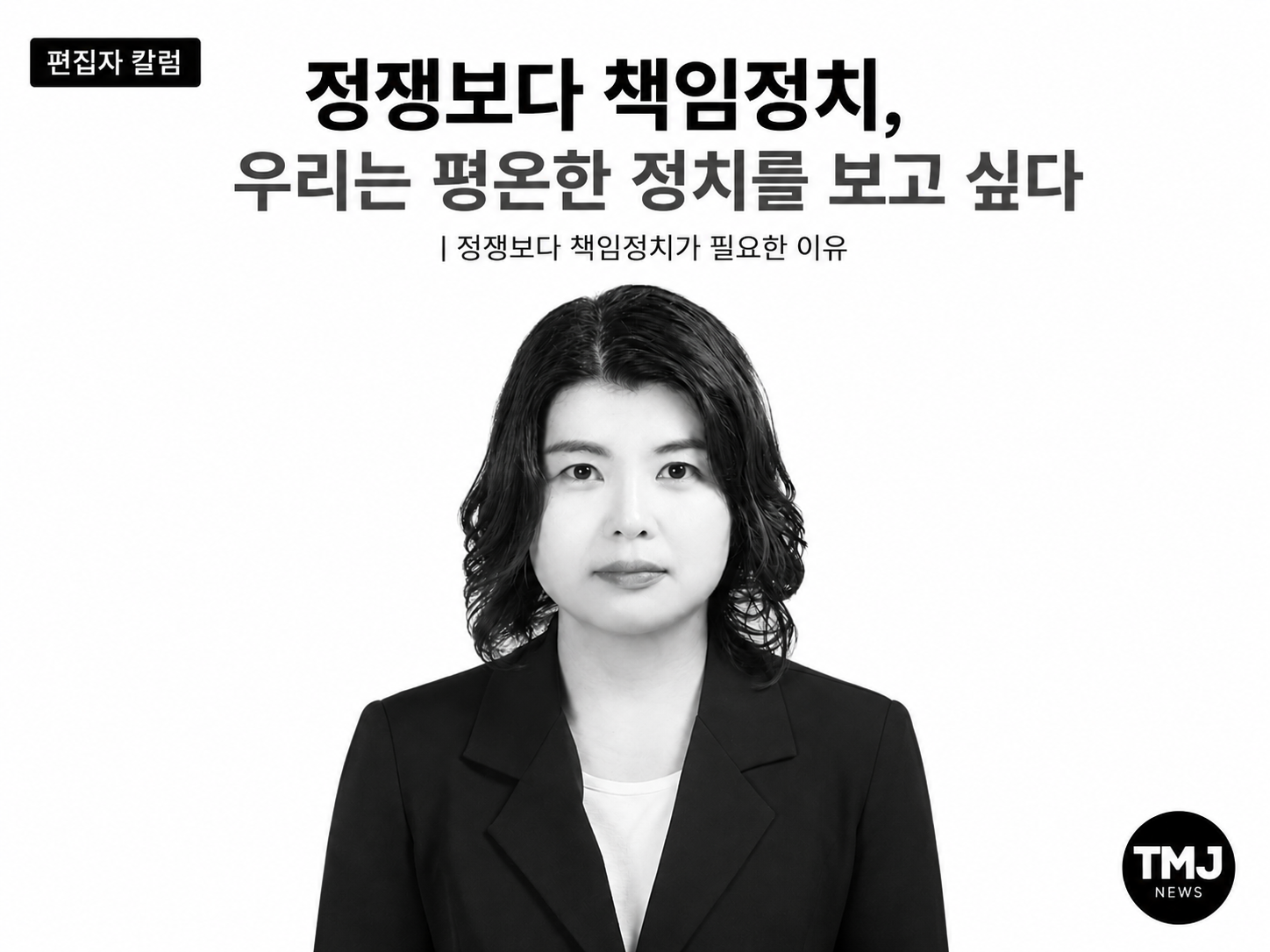
■정쟁보다 책임정치가 필요한 이유■
정치는 국민을 위한 공적 책무다
정치는 민주주의의 핵심이다. 다양한 의견이 충돌하고 토론하며 더 나은 방향을 찾아가는 과정은 대의민주주의에서 자연스러운 모습이다. 비판과 견제 또한 권력분립과 민주적 통제의 원리 속에서 정치가 제 기능을 하기 위해 반드시 필요한 요소다.
그러나 정치의 목적은 갈등 그 자체가 아니다. 정치는 국민으로부터 위임받은 권한을 바탕으로 공동체를 더 나은 방향으로 이끄는 공적 책무다. 국민이 정치에 기대하는 것도 상대를 이기는 정치적 승리가 아니라 사회적 갈등을 조정하고 공공의 문제를 해결하는 책임정치의 모습이다.
정치는 국민 위에 존재하는 권력이 아니라 국민을 위해 존재하는 제도다.
정쟁보다 정책 경쟁이 우선되어야 한다
민주주의에서 경쟁은 필수적이다. 정당 간 경쟁은 더 나은 정책과 국가 비전을 제시하기 위한 과정이며 건강한 민주주의를 유지하는 원동력이기도 하다.
그러나 경쟁이 정책 경쟁(policy competition)이 아니라 정쟁(政爭)으로 비칠 때 국민은 정치적 효능감보다 정치적 피로감을 먼저 느끼게 된다. 대의민주주의는 갈등을 제도 안에서 조정하는 시스템이다. 갈등 자체가 문제가 아니라 그 갈등이 국민의 삶을 개선하는 정책 경쟁으로 이어지지 못할 때 민주주의에 대한 신뢰는 약해질 수 있다.
오늘날 정치권에서는 정책 경쟁과 함께 정쟁과 대립이 반복되는 모습을 어렵지 않게 볼 수 있다. 이는 민주주의 과정의 일부일 수 있다. 그러나 많은 시민이 관심을 두는 것은 누가 정치적 우위를 점하느냐보다 어떤 정책이 공동체의 문제를 해결하고 삶의 질을 높일 수 있느냐다.
정치가 정책 경쟁과 민생 문제 해결에 더 많은 역량을 집중하기를 기대하는 목소리도 적지 않다. 정치의 존재 이유는 승패를 가르는 데 있기보다 공동체가 직면한 문제를 해결하는 데 있다.
책임정치가 신뢰를 만든다
정치는 권한을 얻는 자리가 아니라 책임을 지는 자리다. 공직을 맡는다는 것은 권한을 행사하는 것을 넘어 국민으로부터 위임받은 권력을 책임 있게 사용하는 일이다. 권한이 커질수록 책임도 무거워져야 한다.
국민은 완벽한 정치를 요구하기보다 약속을 지키려는 노력과 국민의 목소리에 귀 기울이는 자세, 협치를 통해 문제를 해결하려는 모습을 기대한다. 그러한 정치가 쌓일 때 비로소 정치적 신뢰와 민주적 정당성도 함께 쌓인다.
신뢰는 큰 구호에서 시작되지 않는다. 작은 약속을 지키고, 책임을 회피하지 않으며, 국민 앞에서 겸손한 자세를 잃지 않을 때 조금씩 축적된다. 정치가 신뢰를 얻는 과정도 다르지 않다.
맡은 자리에 대한 소명의식을 가져야 한다
독일 사회학자 막스 베버는 「직업으로서의 정치」에서 정치를 단순한 직업이 아니라 ‘소명(Beruf)’이라고 설명했다. 그는 정치인이 가져야 할 덕목으로 열정과 책임감, 그리고 균형감각을 제시했으며, 자신의 신념만을 앞세우는 신념윤리(Gesinnungsethik)와 결정의 결과까지 책임지는 책임윤리(Verantwortungsethik)를 구분했다. 민주주의에서 정치인은 자신의 신념을 지키는 데 그치지 않고, 그 결정이 국민과 공동체에 미칠 결과까지 책임질 수 있어야 한다고 강조했다.
오늘날에도 그의 메시지는 여전히 유효하다. 정치는 권력을 얻는 것으로 끝나는 일이 아니라 국민으로부터 위임받은 권한을 끝까지 책임 있게 사용하는 일이다. 선출직 공직자는 국민이 맡긴 권한을 자신의 권리로 여기기보다 국민을 위해 사용해야 할 책무로 받아들여야 한다.
진정한 리더십은 더 높은 자리에 오르는 데 있지 않다. 맡겨진 자리에서 끝까지 책임을 다하는 데 있다. 국민은 화려한 정치적 수사보다 묵묵한 실천을 기억하고, 거창한 약속보다 성실한 책임을 신뢰한다.
소명의식을 가진 지도자는 자리를 이용하지 않는다. 맡겨진 자리를 지킨다. 자신의 성공보다 공동체의 안녕을 먼저 생각하고, 권력보다 국민을 먼저 바라본다. 이러한 공직윤리가 정치 문화로 자리 잡을 때 책임정치는 더욱 굳건해지고, 협치는 구호가 아닌 실천으로 이어질 수 있다.
평온한 정치는 섬김에서 시작된다
평온한 정치는 아무 일도 일어나지 않는 정치가 아니다. 필요한 비판은 분명히 하고, 책임은 엄중히 묻되, 그 모든 과정이 국민과 공익을 위한 방향으로 이어지는 정치다. 갈등을 조정하고 사회적 합의를 만들어 가는 것이 성숙한 민주주의의 모습이다.
정치는 누군가를 이기기 위해 존재하는 것이 아니라 함께 살아갈 공동체를 세우기 위해 존재한다. 상대를 굴복시키는 정치보다 서로를 존중하며 더 나은 해답을 찾는 정치가 오래간다. 권력은 언젠가 끝나지만, 국민을 위한 섬김과 책임은 오래 기억된다.
민주주의는 정치인만으로 완성되지 않는다. 국민의 신뢰와 참여가 있을 때 비로소 제도는 건강하게 작동한다. 반대로 정치 역시 국민과의 신뢰를 잃는 순간 본래의 역할을 수행하기 어려워진다.
정치인과 국민은 서로 다른 자리에 서 있다. 정치인은 국민으로부터 권한을 위임받은 사람이고, 국민은 그 권한을 맡긴 주권자다. 역할은 다르지만 바라보는 방향만큼은 같아야 한다.
정치인과 국민을 하나로 묶는 것은 권력이 아니다. 신뢰다. 그리고 신뢰는 말이 아니라 책임 있는 행동 속에서 만들어진다.
정치인과 국민은 하나의 사람이 될 수는 없다. 그러나 하나의 목적을 향해 함께 나아갈 수는 있다. 그 목적은 권력이 아니라 공동체의 미래이며, 국민의 더 나은 삶이다.
우리가 바라는 것은 거창한 정치가 아니다.
국민의 삶을 든든히 지켜주고, 정치 뉴스를 통해 불안보다 신뢰를 느낄 수 있는 정치, 서로를 이기기보다 함께 나라를 세워가는 정치, 권력이 아니라 책임으로 기억되고, 지배가 아니라 섬김으로 평가받는 정치.
우리는 그런 평온한 정치를 보고 싶다.
Editorial | Beyond Political Conflict: We Long for Responsible and Peaceful Politics
Why Responsible Politics Matters More Than Political Confrontation
Politics Is a Public Responsibility
Politics lies at the heart of democracy. The exchange of different opinions, public debate, and the search for better solutions are all natural elements of representative democracy. Criticism and checks on power are equally essential, reflecting the principles of the separation of powers and democratic accountability.
Yet the purpose of politics is not conflict itself. Politics is a public responsibility entrusted by the people to guide society toward a better future. Citizens expect politics not merely to produce winners and losers, but to resolve social conflicts and address public challenges through responsible leadership.
Political power does not exist above the people. It exists to serve them.
Policy Competition Must Come Before Political Conflict
Competition is an essential feature of democracy. Healthy competition between political parties should encourage better public policies and a stronger national vision.
However, when political competition is perceived as partisan conflict rather than policy competition, citizens are more likely to experience political fatigue than political efficacy. Representative democracy is designed to manage disagreements through institutions. Conflict itself is not the problem; the problem arises when those conflicts fail to produce meaningful solutions that improve people’s lives.
In today’s political landscape, policy debates are often overshadowed by confrontation and partisan rivalry. Such tensions may be an inevitable part of democracy, but many citizens are less interested in who gains political advantage than in which policies can genuinely improve society and everyday life.
Many people hope to see politics devote more energy to solving public issues and improving livelihoods. Ultimately, the purpose of politics is not victory over opponents but the pursuit of the common good.
Responsible Politics Builds Public Trust
Politics is not about obtaining power; it is about accepting responsibility. Holding public office means using authority entrusted by the people with integrity and accountability. The greater the authority, the greater the responsibility.
Citizens do not expect perfection from their leaders. They value those who honor their promises, listen carefully to public concerns, and seek solutions through cooperation. Trust and democratic legitimacy are built gradually through such consistent actions.
Trust is not created by grand slogans. It grows through keeping small promises, refusing to evade responsibility, and remaining humble before the public.
Public Office Should Be Regarded as a Calling
German sociologist Max Weber described politics in Politics as a Vocation not merely as a profession but as a calling (Beruf). He distinguished between the ethic of conviction (Gesinnungsethik) and the ethic of responsibility (Verantwortungsethik), arguing that political leaders must remain accountable not only to their convictions but also to the consequences of their decisions.
His message remains relevant today. Politics does not end with winning power. It begins with exercising entrusted authority responsibly. Elected officials should regard public authority not as a personal privilege but as a responsibility entrusted to them by the people.
True leadership is measured not by climbing to higher office but by faithfully fulfilling one’s responsibilities where one stands. Citizens remember quiet dedication more than grand rhetoric, and sincere responsibility more than ambitious promises.
Leaders with a genuine sense of calling do not exploit their positions. They protect the offices entrusted to them, place the well-being of the community above personal success, and value the people above political power. When such public ethics become embedded in political culture, responsible politics grows stronger, and cooperation becomes more than a slogan.
Peaceful Politics Begins with Service
Peaceful politics does not mean the absence of disagreement. It means addressing criticism honestly, holding leaders accountable, and ensuring that every political process ultimately serves the public interest. Mature democracy is built by managing conflict and creating social consensus.
Politics does not exist to defeat opponents but to build a society where people can live together. Politics rooted in mutual respect and constructive solutions ultimately endures longer than politics driven by domination. Political power is temporary, but service and responsibility are remembered.
Democracy cannot flourish through politicians alone. It depends equally on public trust and civic participation. Likewise, politics loses its legitimacy when it loses the confidence of the people.
Politicians and citizens occupy different roles. Politicians exercise authority entrusted by the people, while citizens remain the sovereign source of that authority. Their responsibilities differ, but their destination should be the same.
What binds politicians and citizens together is not power but trust. And trust is earned not through words but through responsible action.
Politicians and citizens cannot become one person, but they can move toward a common purpose. That purpose is not political power but the future of the community and a better life for its people.
We do not long for grand or dramatic politics.
We long for politics that protects people’s lives, restores confidence rather than anxiety, builds the nation through cooperation rather than division, and is remembered not for power but for responsibility—not for domination but for service.
That is the kind of peaceful politics we hope to see.
저작권자 © '더미디어저널리스트' 무단전재 및 재배포, AI학습 및 활용 금지
작성자 소개