생성형 AI 확산에 웹 제작 방식 변화…제작은 쉬워졌지만 운영은 여전히 과제
인공지능(AI)이 홈페이지 제작 시장에도 변화를 가져오고 있다. 과거에는 웹사이트를 구축하기 위해 개발자와 디자이너의 도움이 필수적이었지만, 최근에는 AI를 활용해 코딩 없이 홈페이지를 제작할 수 있는 서비스들이 빠르게 확산되고 있다.
업계에서는 이러한 변화를 웹 제작의 민주화(Democratization of Web Development)로 평가하는 한편, 기술적 진입장벽이 낮아진 만큼 콘텐츠 경쟁은 더욱 치열해질 것이라는 전망도 내놓고 있다.
과거 홈페이지 제작은 적지 않은 비용과 시간이 필요한 작업이었다. 기업이나 기관은 수백만 원의 제작비를 들여 전문 업체에 의뢰하는 것이 일반적이었고, 구축 과정 역시 수주에서 수개월이 소요되곤 했다.
그러나 최근 생성형 AI와 AI 웹빌더(AI Website Builder) 서비스가 등장하면서 상황은 달라지고 있다. 사용자가 업종과 목적, 원하는 스타일을 입력하면 AI가 자동으로 사이트 구조를 설계하고 디자인을 생성한다. 일부 서비스는 문구 작성, 이미지 생성, 검색엔진최적화(SEO) 기능까지 지원하며 홈페이지 구축 과정을 자동화하고 있다.
최근에는 ChatGPT, Claude, Manus, Replit, Lovable, Bolt 등 다양한 생성형 AI 서비스들이 등장하면서 비개발자도 자연어 명령만으로 웹사이트와 애플리케이션을 설계·구축할 수 있는 환경이 만들어지고 있다.
이에 따라 소상공인과 1인 기업, 프리랜서, 크리에이터를 중심으로 AI 기반 홈페이지 제작 도구에 대한 관심도 높아지고 있다.
왜 지금인가…홈페이지 붐의 배경
이 현상은 단순히 AI 기술 발전만으로 설명되지 않는다. 플랫폼에 종속된 디지털 생존 방식의 한계를 경험한 개인과 기업들이 AI로 낮아진 진입장벽을 바탕으로 독립 공간 확보에 나서고 있기 때문이다.
코로나19 팬데믹은 결정적 계기가 됐다. 오프라인 영업이 제한되면서 온라인 존재감은 선택이 아닌 생존의 문제가 됐고, 홈페이지 없이는 사업과 서비스를 설명하기 어려운 시대가 됐다.
SNS 알고리즘에 대한 피로감도 커지고 있다. 인스타그램과 유튜브 등 플랫폼의 정책과 알고리즘 변화에 따라 도달률이 크게 달라지는 경험이 반복되면서 플랫폼 밖의 독립 공간에 대한 관심이 높아지고 있다.
1인 경제의 확산도 주요 배경으로 꼽힌다. 프리랜서와 1인 창업, 크리에이터 경제(Creator Economy)가 성장하면서 개인 브랜딩 수요가 증가했고, 이를 뒷받침할 독립된 온라인 공간의 필요성도 함께 커지고 있다.
여기에 생성형 AI 확산 이후 비개발자도 웹사이트와 서비스를 직접 만들 수 있다는 인식이 확산되면서 홈페이지 구축 수요는 더욱 늘어나는 모습이다.
제작 문턱은 낮아졌지만
전문가들은 홈페이지 제작과 운영을 구분해서 볼 필요가 있다고 지적한다.
AI는 사용자 인터페이스(UI)와 기본 구조를 구성할 수 있지만 브랜드 전략, 사용자 경험(UX), 정보구조(IA) 설계까지 완벽하게 대체하기는 어렵다는 것이다.
실제로 홈페이지 운영 과정에서는 콘텐츠 전략 수립, 사용자 동선 설계, 검색 노출 관리, 고객 응대 등 다양한 요소가 복합적으로 작용한다.
특히 언론사나 쇼핑몰, 전문 서비스 플랫폼과 같은 사이트는 단순한 디자인보다 콘텐츠 품질과 운영 체계가 더욱 중요하게 평가된다.
업계 관계자들은 “AI가 홈페이지를 만드는 것은 가능하지만 어떤 콘텐츠를 제공하고 어떤 이용자를 대상으로 운영할 것인지는 여전히 사람의 판단 영역”이라고 설명한다.
실제 구축 과정에서 드러난 한계
AI 기반 홈페이지 구축 과정에서는 예상치 못한 문제도 나타난다.
다양한 생성형 AI 도구를 활용해 사이트를 설계하는 과정에서 결과물의 일관성을 유지하기 어렵고, 수정과 재생성 작업이 반복되는 경우도 적지 않다.
실제로 더미디어저널리스트 편집장 방채영은 웹디자인을 배운 경험이 있음에도 홈페이지 구축 과정에서 여러 시행착오를 겪었다.
방 편집장은 Manus, ChatGPT, Claude 등 다양한 생성형 AI 도구를 활용해 사이트 구조와 콘텐츠 설계를 시도했지만 원하는 결과를 얻기까지 적지 않은 시간이 필요했다고 설명했다.
특히 프롬프트(Prompt)에 따라 결과물이 크게 달라졌고, 동일한 작업을 반복하더라도 일관성을 유지하기 어려운 경우가 많았다는 것이다.
결국 Visual Studio Code 기반 개발 환경에 AI를 연동하는 방식을 선택했지만, 이번에는 토큰(Token) 사용량 증가에 따른 비용 문제가 새로운 과제로 떠올랐다.
방 편집장은 “AI 덕분에 비개발자도 홈페이지를 구축할 수 있는 시대가 됐지만, 실제 구축 과정은 광고 문구처럼 단순하지 않았다”며 “만드는 것보다 운영하고 유지하는 과정이 더 어렵다는 사실을 체감했다”고 말했다.
현재 운영 중인 더미디어저널리스트 홈페이지 역시 이러한 시행착오와 실험 과정을 거쳐 구축된 결과물이다.
플랫폼 의존도를 줄이려는 움직임
AI 홈페이지 제작 도구의 확산은 플랫폼 중심 인터넷 환경 변화와도 맞물려 있다.
그동안 기업과 개인은 SNS와 플랫폼 서비스에 의존해 온라인 활동을 이어왔지만 알고리즘 변화나 정책 변경에 따라 트래픽과 도달률이 크게 영향을 받는다는 한계가 있었다.
반면 홈페이지는 도메인과 호스팅을 직접 소유하고 관리할 수 있는 디지털 자산으로 평가된다.
최근 뉴스레터와 자체 커뮤니티, 독립 웹사이트 구축 움직임이 늘어나는 것도 이러한 흐름과 무관하지 않다.
전문가들은 플랫폼 의존도를 줄이고 자체 채널을 확보하려는 수요가 AI 홈페이지 제작 시장 성장의 배경 중 하나라고 분석한다.
“월 3만 원 홈페이지” 광고의 이면
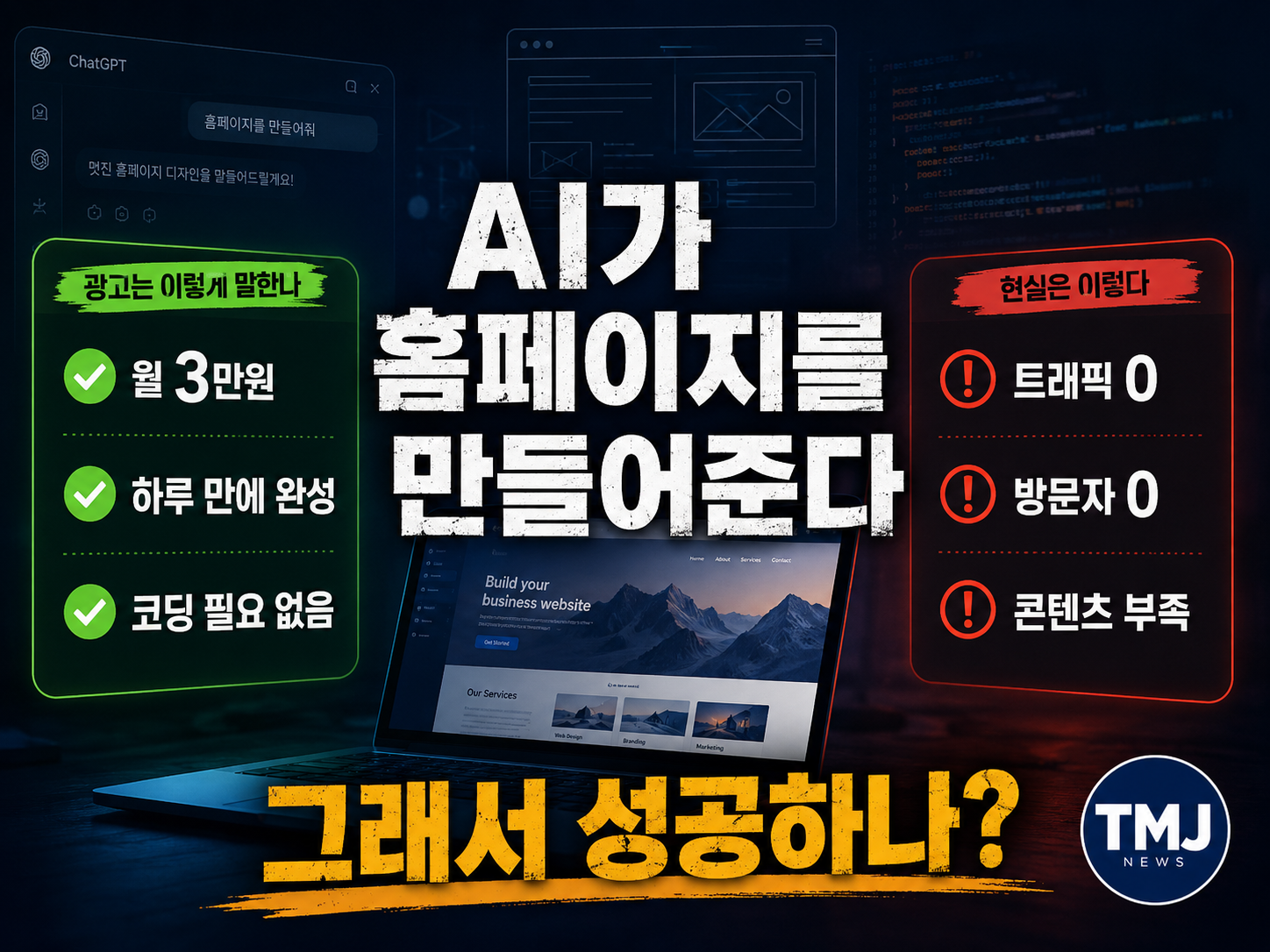
최근 온라인에서는 “월 3만 원 홈페이지 제작”, “AI로 하루 만에 홈페이지 완성”과 같은 광고를 쉽게 접할 수 있다.
실제로 AI 도구를 활용하면 과거보다 저렴한 비용으로 홈페이지를 구축할 수 있는 것은 사실이다.
다만 전문가들은 홈페이지 구축 비용과 운영 비용은 별개의 문제라고 설명한다.
도메인과 호스팅, 유지보수, 콘텐츠 제작, 마케팅 비용 등이 지속적으로 발생하며 무엇보다 꾸준한 관리와 운영이 필요하기 때문이다.
SEO 최적화와 전환율 관리까지 고려하면 운영 부담은 더욱 커질 수 있다.
실제로 홈페이지를 개설한 뒤 콘텐츠 부족이나 운영 인력 부재로 장기간 방치되는 사례도 적지 않다.
기술의 민주화, 새로운 경쟁의 시작
AI는 홈페이지 제작 비용과 시간을 줄이며 웹 제작의 진입장벽을 낮추고 있다. 과거에는 개발자와 디자이너, 기획자의 도움을 받아야 했던 작업이 이제는 누구나 시도할 수 있는 영역으로 바뀌고 있다.
이러한 변화는 소규모 사업자와 1인 창작자, 스타트업에게 새로운 기회를 제공한다는 점에서 긍정적으로 평가된다. 실제로 생성형 AI는 MVP(Minimum Viable Product·최소 기능 제품) 구축 비용을 낮추고 시장 진입 속도를 높이는 역할을 하고 있다.
반면 업계에서는 기술의 평준화가 새로운 경쟁을 만들고 있다고 분석한다. 누구나 홈페이지를 구축할 수 있게 되면서 경쟁의 중심은 개발 기술에서 콘텐츠 경쟁력, 브랜드 신뢰도, 사용자 경험(UX), 운영 역량으로 이동하고 있다는 것이다.
특히 디지털 환경에서는 방문자 수나 조회수보다 신뢰 자본(Trust Capital)의 중요성이 커지고 있다는 분석도 나온다. AI는 콘텐츠를 생성할 수 있지만 신뢰를 축적하지는 못한다. 검색엔진 최적화(SEO)를 통해 방문자를 유입할 수는 있지만 이용자와의 관계를 대신 형성할 수는 없기 때문이다.
플랫폼 경제 시대에는 기술적 우위가 경쟁력이었다면 AI 시대에는 지속적인 콘텐츠 생산과 운영, 그리고 관계 자본(Relational Capital)의 축적이 더욱 중요한 자산으로 평가받고 있다.
결국 AI가 바꾸고 있는 것은 홈페이지 제작 방식이다. 그러나 홈페이지의 장기적인 성과를 결정하는 요소는 기술 자체보다 콘텐츠의 품질과 신뢰도, 그리고 꾸준한 운영 능력이라는 점에서 크게 달라지지 않았다는 평가가 나온다.
AI Builds Your Website… But Does It Guarantee Success?
As Generative AI Reshapes Web Development, Building Has Become Easier—Running a Website Remains the Challenge
Artificial intelligence (AI) is transforming the website development industry. In the past, building a website typically required the assistance of developers and designers. Today, however, a growing number of AI-powered tools allow users to create websites without writing a single line of code.
Industry observers describe this shift as the democratization of web development, while also warning that lower technical barriers may intensify competition in content creation and audience engagement.
Traditionally, website development demanded significant time and financial investment. Businesses and organizations often spent thousands of dollars hiring professional agencies, with projects taking weeks or even months to complete.
The emergence of generative AI and AI website builders has changed that landscape. Users can now describe their business, goals, and design preferences, and AI systems automatically generate site structures, layouts, and visual designs. Some platforms even provide copywriting, image generation, and search engine optimization (SEO) features.
In addition, services such as ChatGPT, Claude, Manus, Replit, Lovable, and Bolt have enabled non-developers to build websites and applications using natural-language instructions.
As a result, interest in AI-powered website creation tools is growing among small business owners, freelancers, creators, and solo entrepreneurs.
Why Now? The Background Behind the Website Boom
The growing demand for websites cannot be explained solely by advances in AI technology.
Many individuals and businesses have experienced the limitations of relying on digital platforms and are now seeking greater control over their online presence.
The COVID-19 pandemic accelerated this trend. As offline activities were restricted, maintaining an online presence became essential for survival rather than a matter of choice. Having a website became an important way to establish credibility and communicate products or services.
At the same time, dissatisfaction with social media algorithms has increased. Frequent changes to platform policies and recommendation systems have reduced organic reach, encouraging businesses and creators to invest in independent digital spaces.
The expansion of the creator economy has also contributed to the trend. As freelancing, solo entrepreneurship, and personal branding continue to grow, demand for independently owned online platforms has risen as well.
The rise of generative AI has further strengthened the perception that even non-technical users can now build digital products on their own.
Lower Barriers, Higher Expectations
Experts emphasize that building a website and successfully operating one are two very different challenges.
While AI can generate user interfaces (UI) and basic site structures, it cannot fully replace brand strategy, user experience (UX) design, or information architecture (IA).
Successful websites require content planning, user journey design, audience management, SEO strategy, and ongoing maintenance.
This is particularly true for media organizations, e-commerce platforms, and specialized service providers, where content quality and operational systems often matter more than visual design alone.
Industry professionals note that while AI can help create a website, decisions regarding audience targeting, content strategy, and long-term direction remain human responsibilities.
Lessons from Real-World Website Development
Practical experience has revealed limitations that are often overlooked in promotional advertisements.
During the process of building a website, maintaining consistency across AI-generated outputs can be challenging. Revisions and repeated generations are frequently necessary.
Bae Chae-young, Editor-in-Chief of The Media Journalist, experienced several such challenges despite having prior web design experience.
She experimented with various AI tools, including Manus, ChatGPT, and Claude, to design the site’s structure and content strategy. However, achieving the desired results required considerable time and effort.
According to Bae, outputs often varied significantly depending on the prompts used, making consistency difficult to maintain.
Eventually, she adopted a development environment based on Visual Studio Code integrated with AI tools. While this approach enabled website creation without extensive coding knowledge, AI token consumption emerged as an unexpected cost factor.
“The rise of AI has made website creation accessible to non-developers,” Bae said. “But the actual process was far more complex than many advertisements suggest. Building a site is one thing; maintaining and operating it is another.”
The Media Journalist website currently in operation is itself the product of that experimentation and learning process.
Reducing Dependence on Platforms
The growth of AI website builders is closely tied to broader changes in the digital ecosystem.
For years, businesses and creators have depended heavily on social media platforms. However, changes in algorithms and platform policies can significantly affect traffic and audience reach.
A website, by contrast, is often viewed as a digital asset that users own and control through their domains and hosting services.
The growing popularity of newsletters, private communities, and independent websites reflects this shift toward digital independence.
Analysts argue that the desire to secure direct communication channels is one of the major drivers behind the growth of AI-powered website development.
The Reality Behind “Affordable Website” Advertisements
Advertisements promoting “websites for just a few dollars a month” or “AI-built websites in a single day” have become increasingly common.
While AI tools can significantly reduce development costs, experts caution that website creation costs and website operation costs are fundamentally different.
Domain registration, hosting, maintenance, content production, marketing, and ongoing optimization all require continuous investment.
Managing SEO performance and conversion rates can further increase operational demands.
As a result, many websites are eventually abandoned due to a lack of content, resources, or long-term management.
The Democratization of Technology and a New Era of Competition
AI is lowering the barriers to website creation by reducing both costs and development time.
This change creates new opportunities for small businesses, startups, and independent creators. Generative AI is helping reduce the cost of building MVPs (Minimum Viable Products) while accelerating market entry.
However, industry experts argue that the widespread availability of technology is creating a different kind of competition.
As website development becomes increasingly accessible, competitive advantages are shifting from technical skills to content quality, brand credibility, user experience, and operational excellence.
In digital environments, Trust Capital is becoming more important than raw traffic or page views. AI can generate content, but it cannot accumulate trust. It can help attract visitors through SEO, but it cannot build meaningful relationships with audiences.
If technological superiority defined success during the platform era, the AI era may place greater value on continuous content production, operational consistency, and the accumulation of Relational Capital.
Ultimately, AI is transforming how websites are built. Yet many observers believe that long-term success will continue to depend less on technology itself and more on content quality, trustworthiness, and the ability to sustain meaningful engagement over time.
저작권자 © '더미디어저널리스트' 무단전재 및 재배포, AI학습 및 활용 금지
작성자 소개