출처 : apple music
‘GG EZ’가 댄스 챌린지를 타고 세계적으로 확산하고 있다. 짧고 반복적인 후렴과 경쾌한 리듬, 따라 하기 쉬운 안무가 숏폼 플랫폼의 특성과 맞물리며 국경과 언어의 경계를 넘어섰다.
방탄소년단(BTS) 정국을 비롯한 유명 아티스트들의 참여도 곡의 인지도를 높이는 촉매가 됐다. 그러나 이 열풍을 특정 스타의 영향력만으로 설명하기는 어렵다. 숏폼에 적합한 음악적 구성과 이용자의 참여 욕구, 팬덤의 확산력이 복합적으로 작용한 결과이기 때문이다.
동시에 이 현상은 한 가지 질문을 남긴다. 우리는 노래의 의미를 얼마나 알고, 얼마나 모른 채 유행에 참여하고 있을까.
게임 언어에서 가져온 ‘GG EZ’
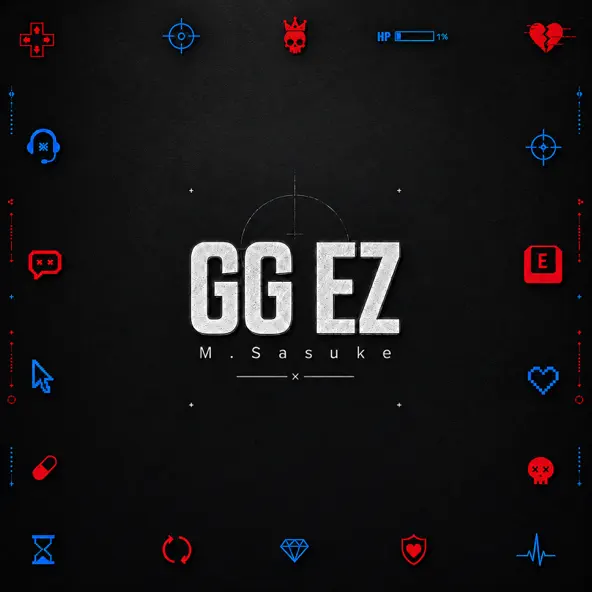
‘GG EZ’는 M.Sasuke가 지난 5월 27일 발표한 영어 곡이다. 음원 플랫폼에는 2분 48초 길이의 R&B·소울 장르 싱글로 등록돼 있다.
제목은 온라인 게임에서 사용하는 표현에서 가져왔다. ‘GG’는 ‘Good Game’, ‘EZ’는 ‘Easy’를 줄인 말이다. ‘GG’는 경기가 끝난 뒤 상대에게 건네는 인사로 사용되지만, 여기에 ‘쉬웠다’는 의미의 ‘EZ’가 결합하면 상대를 도발하거나 자신의 우위를 과시하는 표현이 되기도 한다.
곡의 가장 큰 특징은 짧고 반복적인 후렴이다. 노래 전체를 듣지 않아도 특정 구간이 빠르게 기억되고 리듬의 변화가 분명해 춤과 결합하기 쉽다.
안무 역시 핵심 동작이 반복돼 진입 장벽이 낮다. 처음 접한 사람도 비교적 쉽게 따라 할 수 있어 챌린지 형식으로 확산되기 좋은 구조를 갖췄다.
음악보다 춤이 먼저 도착하는 시대
‘GG EZ’의 확산 방식은 숏폼 시대에 음악이 발견되고 소비되는 방식이 달라졌다는 사실을 보여준다.
과거에는 노래 전체를 듣고 가수와 가사의 의미를 알아간 뒤 곡을 좋아하게 되는 경우가 많았다. 현재는 15초에서 30초 정도의 음악과 안무를 먼저 접한 뒤 원곡을 찾아 듣는 ‘역방향 음악 발견’이 활발하게 나타난다.
이 과정에서 음악은 감상의 대상인 동시에 새로운 영상을 만들기 위한 재료가 된다. 이용자는 노래의 전체적인 맥락보다 춤추기 좋은 구간이나 기억하기 쉬운 후렴을 먼저 접한다. 음악을 알고 춤을 추는 것이 아니라 춤을 통해 음악을 발견하는 것이다.
이는 반드시 부정적인 변화만은 아니다. 잘 알려지지 않은 음악도 대형 기획사나 방송의 도움 없이 세계적인 청중과 만날 수 있고, 이용자는 정해진 방식으로 음악을 소비하는 데서 벗어나 직접 유행을 만들어 갈 수 있다.
다만 같은 음악 구간이 여러 영상의 배경음으로 반복되면 이용자는 원곡의 의미를 확인하기 전에 멜로디와 언어에 익숙해질 수 있다.
심리학의 ‘단순노출효과’는 어떤 대상에 반복적으로 노출될수록 친숙함과 선호가 높아질 수 있음을 설명한다. 모든 음악 소비를 이 이론만으로 해석할 수는 없지만, 음악적 호감과 반복 노출로 형성된 친숙함이 뒤섞이는 현상을 이해하는 하나의 단서가 될 수 있다.
정국의 참여로 확대된 세계적 관심
이미 여러 K팝 아티스트의 참여로 확산하던 ‘GG EZ’는 정국이 댄스 챌린지 영상을 공개하면서 더욱 큰 주목을 받았다.
스타뉴스는 지난 6월 30일 정국이 공개한 ‘GG EZ’ 챌린지 영상이 당시 4,140만 회의 조회수와 598만 개의 ‘좋아요’를 기록했다고 보도했다. 이는 해당 시점의 단일 영상 수치다.
이후 포브스는 지난 7월 18일 정국의 두 소셜미디어 계정에 게시된 관련 영상의 합산 조회수가 9,160만 회를 넘어섰다고 전했다. 집계 시점과 플랫폼 범위가 다른 만큼 두 수치를 단순 비교하기는 어렵지만, 정국의 참여가 곡을 세계적인 팬층에 알리는 데 영향을 미쳤다는 점은 확인할 수 있다.
다만 현재 공개된 정보만으로 정국과 M.Sasuke 사이에 공식적인 협업이나 홍보 계약이 있었다고 판단하기는 어렵다. 제작자를 태그한 사실만으로 상업적 관계를 단정할 수도 없다. 유행하는 음악과 춤을 자신의 방식으로 표현한 개인 콘텐츠일 가능성을 열어두고 바라봐야 한다.
이번 사례에서 주목할 부분은 정국 개인에 대한 평가보다 세계적인 스타의 게시물이 지닌 문화적 파급력이다. 스타의 참여가 유행을 만드는 유일한 원인은 아니지만, 이미 형성된 흐름을 세계적인 규모로 확대하는 촉매가 될 수 있다는 사실을 보여줬다.
젊은 세대는 왜 이 챌린지에 끌렸나
‘GG EZ’ 챌린지의 인기를 젊은 세대가 노래의 가사에 공감한 결과로만 보기는 어렵다. 이들이 먼저 받아들인 것은 곡의 메시지보다 짧은 시간 안에 강한 인상을 남기는 리듬과 안무, 누구나 쉽게 참여할 수 있는 놀이의 형식에 가깝다.
이용자는 같은 동작을 따라 하면서 표정과 의상, 촬영 장소를 바꾸고 자신의 개성을 더한다. 이미 만들어진 유행을 소비하는 동시에 자신만의 영상으로 다시 만드는 것이다. 참여 과정이 어렵지 않고 완성한 영상을 곧바로 공유할 수 있다는 점도 확산을 이끌었다.
온라인 게임에서 사용되는 ‘GG EZ’라는 표현도 젊은 세대에게 낯설지 않다. 짧은 말 안에 경쟁과 도발, 장난스러운 유머가 함께 담겨 있어 밈처럼 활용하기 쉽다. 진지한 의미를 전달하기보다 가볍게 반응을 주고받는 온라인 문화의 방식과도 맞아떨어진다.
좋아하는 스타와 같은 춤을 추고 같은 음악을 사용하는 경험도 중요한 요인이다. 챌린지 참여는 단순한 모방을 넘어 자신이 특정 팬덤과 유행에 연결돼 있다는 사실을 보여주는 문화적 표현이 된다. 정국처럼 영향력 있는 아티스트가 참여하면 팬들은 음악 자체뿐 아니라 스타와 같은 문화를 공유한다는 감각으로 챌린지에 합류할 수 있다.
챌린지는 짧은 영상 하나로 자신의 감각과 취향을 드러낼 수 있다는 점에서도 젊은 세대의 콘텐츠 소비 방식과 맞닿아 있다. 누군가 만든 유행에 자신만의 표정과 몸짓을 더하고, 다른 이용자의 반응을 통해 소속감과 존재감을 확인할 수 있기 때문이다.
결국 젊은 세대가 좋아한 것은 노래 한 곡만이 아니라 춤과 놀이, 자기표현과 소속감이 결합된 참여 경험이라고 볼 수 있다. 따라서 챌린지에 참여했다는 사실만으로 가사의 내용에 동의했다고 판단해서는 안 된다.
다만 메시지보다 참여의 즐거움이 먼저 도착하는 구조에서는 그 안에 담긴 언어의 의미가 쉽게 가려질 수 있다. 즐겁게 따라 한 짧은 구절이 어떤 정서와 표현을 담고 있는지 살펴보는 일이 필요한 이유다.
흥겨운 리듬 속에 감춰진 언어
‘GG EZ’의 가사는 게임에서 사용하는 언어를 사람 사이의 관계에 겹쳐 놓는다. 체력이 떨어지고 방어에 실패하며 게임에서 패배한 상태를 누군가에게 감정적으로 흔들리고 굴복하는 모습으로 표현한다.
곡은 상대를 미워하고 관계를 끝내겠다고 말하면서도 다시 게임에 접속하고 초대를 보내는 장면을 반복한다. 해로운 관계임을 알면서도 벗어나지 못하고 오히려 이끌리는 모순된 감정을 반복적으로 드러낸다.
후렴에서는 제목인 ‘GG EZ’와 함께 욕설이 반복된다. 게임에서 상대를 조롱하는 말과 거친 표현, 상대에게 공격당하고 굴복하는 이미지가 경쾌한 리듬 위에 배치돼 있다. 밝고 흥겨운 음악의 분위기와 실제 가사가 전달하는 정서 사이에 간격이 생기는 지점이다.
그렇다고 곡 전체를 노골적인 성적 내용이나 유해한 음악으로만 규정하기는 어렵다. 게임의 대결 구도와 불안정한 관계에서 나타나는 애증을 결합한 언어유희로 읽을 수도 있다.
문제는 노래를 즐기는 행위 자체가 아니다. 영어 가사의 의미를 알지 못하는 이용자나 청소년이 리듬과 안무만 접한 채 욕설과 공격적인 표현까지 자연스럽게 반복할 수 있다는 점이다.
가사의 의미를 확인하는 것은 유행을 거부하거나 음악을 도덕적으로 검열하기 위한 과정이 아니다. 무엇을 받아들이고 무엇과 거리를 둘 것인지 스스로 판단하기 위한 출발점이다.
‘GG EZ’ 열풍을 단순히 “사람들이 뜻도 모르고 춤을 췄다”고 평가해서도 충분하지 않다. 이용자는 음악적 매력과 안무의 즐거움, 좋아하는 스타와 같은 문화를 공유하는 경험 때문에 참여했을 수 있다. 다만 그 과정에서 가사의 의미가 흥겨운 음악과 춤 뒤로 밀려났다는 점은 돌아볼 필요가 있다.
반복되는 언어는 무엇을 각인시키는가
특정 노래 한 곡이 사람의 가치관이나 행동을 곧바로 바꾼다고 단정할 수는 없다. 음악의 영향은 개인의 성향과 환경, 경험에 따라 다르게 나타나며 대중 역시 메시지를 그대로 받아들이기만 하는 수동적인 존재는 아니다.
그러나 같은 음악 구간이 숏폼 영상과 챌린지를 통해 반복적으로 노출되면 그 안에 담긴 언어와 정서도 자연스럽게 익숙한 것으로 받아들여질 수 있다. 익숙함이 곧 동의를 의미하지는 않지만, 반복되는 표현은 언어에 대한 감각을 무디게 하거나 특정 정서를 당연한 것으로 여기게 만들 수 있다.
그래서 필요한 것은 규제나 금지보다 미디어 리터러시다. 음악과 영상이 어떤 방식으로 만들어졌으며 그 안에 어떤 언어와 가치가 담겨 있는지를 살펴보고, 무엇을 받아들일지 스스로 판단하는 능력이다.
그 책임의 출발점은 창작자에게 있다. 어떤 방식으로 음악을 만들었든 창작자가 선택한 언어는 이후 확산과 소비의 출발점이 되기 때문이다. 자신이 만든 언어가 수백만 명에게 반복해서 들릴 수 있다는 사실을 아는 이상, 그 언어를 무엇으로 채울지에 대한 책임에서 완전히 자유로울 수는 없다.
결국 ‘GG EZ’ 챌린지 열풍이 남긴 질문은 누가 잘못했느냐가 아니다.
사람은 반복해서 접하는 언어와 정서에 영향을 받을 수 있다. 화면 속에서 되풀이되는 언어와 리듬도 예외는 아니다. 그렇기에 우리가 물어야 할 것은 이 유행이 옳은가 그른가가 아니라, 반복해서 듣고 따라 부르는 그 언어가 결국 우리 안에 무엇을 각인시키는가이다.
사람에게는 누구나 자신만의 재능과 표현의 힘이 있다. 춤을 추고 음악을 만들며 새로운 유행을 만들어 내는 능력 역시 소중한 창조적 재능이다. 그 재능이 순간적인 자극과 조회수를 얻고 사라지는 일회성 콘텐츠에 머무르지 않고, 사람을 즐겁게 하면서도 삶에 좋은 의미를 남기는 가치 있는 문화로 재창조되기를 바란다.
[Critique] Jung Kook Joins the ‘GG EZ’ Challenge…Behind the Upbeat Music and Its Lyrics
“GG EZ” is spreading worldwide through a viral dance challenge. Its short, repetitive chorus, upbeat rhythm, and easy-to-follow choreography have aligned perfectly with the nature of short-form platforms, carrying the song across borders and language barriers.
Participation by prominent artists, including BTS member Jung Kook, has also helped boost the song’s visibility. However, the trend cannot be explained solely by the influence of one particular star. Its rise reflects the combined impact of a musical structure suited to short-form content, users’ desire to participate, and the power of fandoms to amplify trends.
At the same time, the phenomenon raises an important question: How much do we understand—or fail to understand—about a song’s meaning when we join a trend?
‘GG EZ’: A Phrase Borrowed From Gaming Culture
“GG EZ” is an English-language song released by M.Sasuke on May 27. Music streaming platforms list it as a two-minute-and-48-second R&B/Soul single.
The title comes from an expression used in online gaming. “GG” stands for “Good Game,” while “EZ” is short for “Easy.” “GG” is commonly used as a courteous remark after a match, but when paired with “EZ,” it can become a taunt intended to mock an opponent or flaunt one’s superiority.
One of the song’s defining features is its short, repetitive chorus. Even without hearing the entire track, listeners can quickly remember a particular section, while its clear rhythmic shifts make it easy to pair with dance.
The choreography also has a low barrier to entry, with its key movements repeated throughout. Even first-time viewers can follow it relatively easily, giving the song an ideal structure for a viral challenge.
An Era When the Dance Arrives Before the Music
The spread of “GG EZ” demonstrates how music is now discovered and consumed differently in the short-form era.
In the past, listeners would often hear an entire song, learn about the artist and the meaning of the lyrics, and then develop an appreciation for it. Today, “reverse music discovery” has become increasingly common: users first encounter a 15- to 30-second segment and its choreography, then seek out the original song afterward.
In this process, music becomes both something to appreciate and raw material for creating new videos. Users encounter a dance-friendly section or memorable chorus before they understand the song’s broader context. They do not learn the music and then dance to it; they discover the music through the dance.
This is not necessarily a negative change. Previously unknown songs can reach global audiences without the support of a major entertainment company or television network, while users can move beyond consuming music in prescribed ways and participate directly in creating trends.
However, when the same section of a song is repeatedly used as background music in numerous videos, users may become familiar with its melody and language before considering what the original song means.
In psychology, the “mere-exposure effect” describes how repeated exposure to something can increase familiarity and preference. Not all music consumption can be explained through this theory, but it offers one clue for understanding how musical appeal can become intertwined with familiarity created through repetition.
Jung Kook’s Participation Expands Global Interest
“GG EZ” had already been gaining attention through the participation of several K-pop artists, but it drew even greater notice after Jung Kook shared his own dance challenge video.
Starnews reported on June 30 that Jung Kook’s “GG EZ” challenge video had received 41.4 million views and 5.98 million likes at the time. Those figures referred to a single video as measured at that particular point.
Forbes later reported on July 18 that related videos posted across Jung Kook’s two social media accounts had surpassed a combined 91.6 million views. Because the figures were measured at different times and covered different platform scopes, they should not be directly compared. Nevertheless, they demonstrate that Jung Kook’s participation helped introduce the song to a global fan base.
Based on currently available information, however, it would be difficult to conclude that Jung Kook and M.Sasuke had entered into an official collaboration or promotional agreement. Tagging the creator alone is not sufficient evidence of a commercial relationship. The possibility should remain open that it was personal content in which Jung Kook interpreted a trending song and dance in his own way.
What deserves attention in this case is not an evaluation of Jung Kook as an individual, but the cultural reach of a post by a global star. A celebrity’s participation may not be the sole cause of a trend, but it can serve as a catalyst that expands an existing movement on a worldwide scale.
Why Did Young People Embrace the Challenge?
The popularity of the “GG EZ” challenge should not be interpreted solely as evidence that younger generations identified with the song’s lyrics. What they encountered first was less the song’s message than its striking rhythm, choreography, and easily accessible form of play.
Users imitate the same movements while changing their facial expressions, clothing, and filming locations, adding their own personalities to the performance. They simultaneously consume an existing trend and remake it as their own video. The fact that participation is relatively easy and the completed content can be shared immediately has also driven its spread.
The gaming expression “GG EZ” is also familiar to many young people. It combines competition, provocation, and playful humor in a short phrase, making it easy to use as a meme. It fits naturally with an online culture built around brief and casual exchanges rather than the communication of serious ideas.
The experience of performing the same dance and using the same music as a favorite star is another important factor. Joining a challenge goes beyond simple imitation—it becomes a cultural expression showing that someone is connected to a particular fandom and trend. When an influential artist such as Jung Kook participates, fans may join not only because of the song itself, but also because they feel they are sharing the same cultural experience as the star.
The challenge also reflects how young people use short videos to express their sensibilities and tastes. They add their own gestures and expressions to a trend created by someone else, while using reactions from other users to affirm a sense of belonging and visibility.
Ultimately, what younger participants embraced was not merely one song, but a participatory experience combining dance, play, self-expression, and belonging. Participation in the challenge should therefore not be interpreted as agreement with the song’s lyrics.
Nevertheless, in a structure where the enjoyment of participation arrives before the message, the meaning of the language within the song can easily be obscured. That is why it remains important to examine the emotions and expressions contained in the brief lines people repeat for fun.
Language Concealed Beneath an Upbeat Rhythm
The lyrics of “GG EZ” apply gaming language to interpersonal relationships. Losing health, failing to defend oneself, and being defeated in a game are used to represent emotional vulnerability and submission to another person.
The song repeatedly depicts someone who claims to hate the other person and wants to end the relationship, yet logs back into the game and sends another invitation. It portrays the contradictory emotions of knowing that a relationship is harmful but remaining unable to leave—and even continuing to feel drawn toward it.
The chorus repeatedly combines the title “GG EZ” with profanity. Gaming taunts, harsh expressions, and images of being attacked and defeated are placed over an upbeat rhythm. This creates a gap between the bright, energetic mood of the music and the emotional tone conveyed by the lyrics.
Even so, it would be difficult to define the entire song merely as explicitly sexual or harmful. It can also be interpreted as wordplay that combines the competitive structure of gaming with the love-hate dynamics of an unstable relationship.
The issue is not the act of enjoying the song itself. The concern is that users—particularly teenagers or those who do not understand the English lyrics—may encounter only the rhythm and choreography while naturally repeating profanity and aggressive expressions.
Examining the meaning of the lyrics is not an attempt to reject a trend or subject music to moral censorship. It is a starting point for deciding what to accept and what to keep at a distance.
It is also insufficient to dismiss the “GG EZ” phenomenon by saying that people danced without understanding the meaning. Participants may have been drawn by the song’s musical appeal, the enjoyment of the choreography, and the experience of sharing the same culture as a favorite star. Still, it is worth reflecting on how the meaning of the lyrics may have been pushed behind the upbeat music and dance.
What Does Repeated Language Leave Within Us?
It would be unreasonable to conclude that a single song can immediately transform a person’s values or behavior. Music affects people differently depending on their personalities, environments, and experiences. Audiences are not merely passive recipients who accept every message exactly as it is presented.
However, when the same segment is repeatedly encountered through short-form videos and challenges, its language and emotional tone can gradually begin to feel familiar. Familiarity does not necessarily mean agreement, but repeated expressions may dull our sensitivity to certain forms of language or make particular emotions seem ordinary.
What is needed, therefore, is not regulation or prohibition, but media literacy—the ability to examine how music and videos are created, identify the language and values they contain, and decide independently what to accept.
The starting point of that responsibility lies with the creator. Whatever method is used to produce a song, the language chosen by the creator becomes the origin of its subsequent circulation and consumption. Once creators understand that their words may be heard repeatedly by millions of people, they cannot be entirely free from responsibility for what those words contain.
Ultimately, the question left by the “GG EZ” challenge is not who should be blamed.
People can be influenced by the language and emotions they repeatedly encounter, and the words and rhythms replayed on screens are no exception. The question we should ask, therefore, is not simply whether this trend is right or wrong, but what the language we repeatedly hear and sing along to may ultimately leave within us.
Everyone possesses unique talents and the power of expression. The ability to dance, create music, and inspire new trends is itself a valuable creative gift. We hope such talent will not remain confined to disposable content that briefly generates stimulation and views before disappearing, but will instead be reimagined as a meaningful culture that brings joy to people while leaving something positive in their lives.
저작권자 © '더미디어저널리스트' 무단전재 및 재배포, AI학습 및 활용 금지
작성자 소개