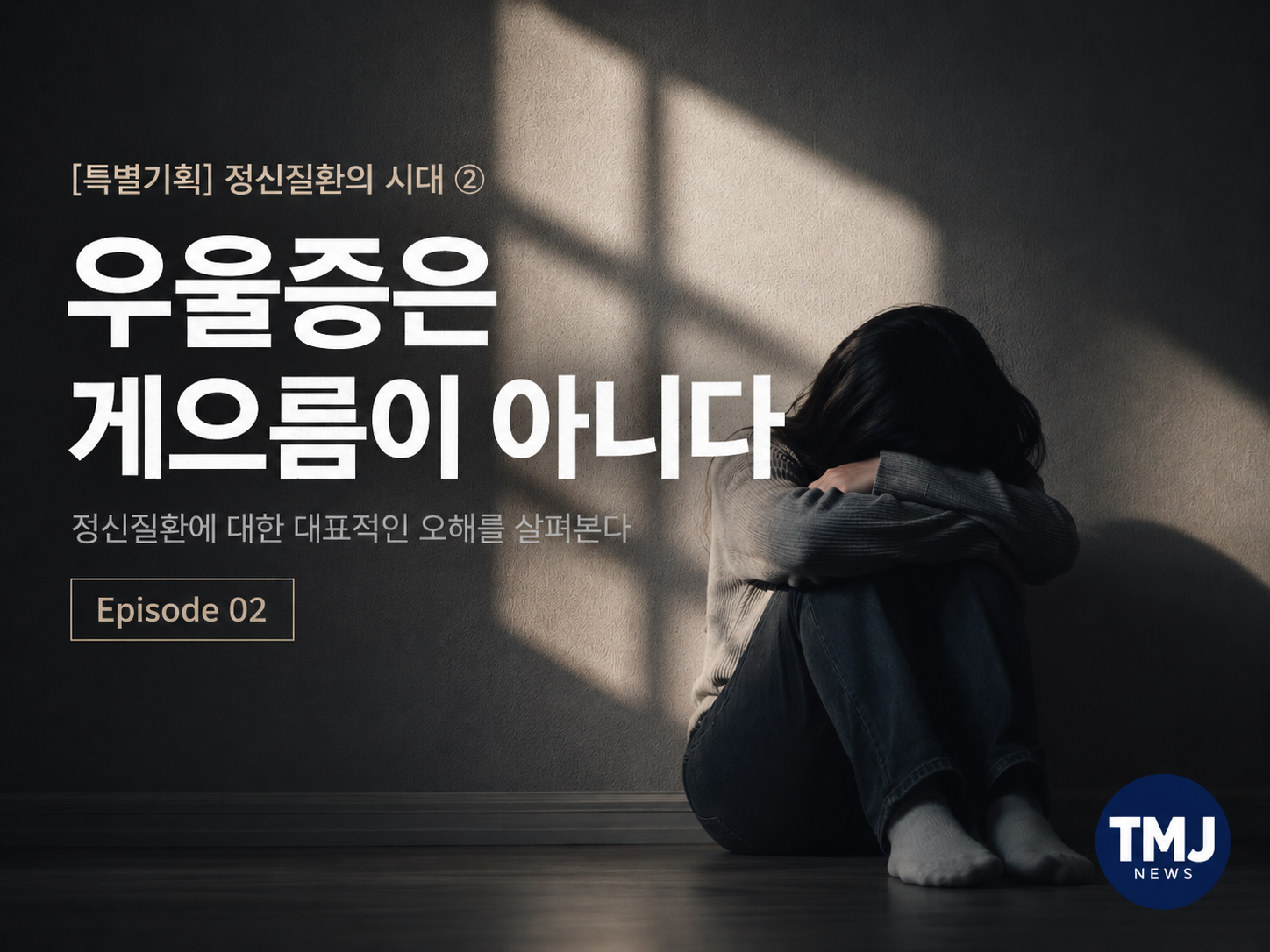
정신질환에 대한 대표적인 오해를 살펴본다
Episode 02
보통의 사람들은 이해하기 어렵다.
“도대체 저 사람은 왜 저러지?”
“너무 의지가 약한 것 아니야?”
“조금만 더 노력하면 되는 것 아닌가?”
우울증. 게으름. 무기력. 의욕저하. 자기비난. 수치심.
이 단어들은 아직도 많은 사람들의 머릿속에서 함께 연결된다. 아무것도 하지 않는 사람을 보면 우리는 쉽게 ‘게으르다’고 말한다. 그러나 현대 정신의학은 우울증을 단순한 의지 부족이 아닌 생물학적·심리적·사회적 요인이 복합적으로 작용하는 정신질환으로 설명한다. 그렇다면 우리는 왜 우울증을 게으름으로 오해하게 되었을까.
우울증은 왜 게으름으로 오해받을까
우리는 먼저 행동을 본다. 연락이 없다. 출근하지 못한다. 방은 어질러져 있고 설거지는 쌓여 있다. 그러면 사람들은 쉽게 “왜 저러지?”라고 생각한다. 하지만 눈에 보이는 것은 행동일 뿐이다. 그 행동 뒤에 있는 마음의 고통은 쉽게 드러나지 않는다. 그래서 우울증은 종종 게으름이나 의지 부족으로 오해받는다.
안 하는 것과 하지 못하는 것은 다르다
욕실 구석에는 곰팡이가 번지고 설거지는 며칠째 그대로 쌓여 있다. 답장을 해야 하는 것도 알고, 샤워를 해야 하는 것도 안다. 해야 할 일을 몰라서가 아니다. 그런데 몸이 움직이지 않는다. 사람들은 “왜 안 하지?”라고 묻지만, 우울증을 겪는 일부 사람들은 “나는 왜 이것조차 하지 못할까”라고 스스로를 탓한다. 일부 환자에게는 의욕저하와 정신운동지연(Psychomotor Retardation)이 나타날 수 있으며, 해야 할 일을 몰라서가 아니라 행동을 시작하는 것 자체가 어려운 상태가 되기도 한다.
비교와 비난은 마음에 흔적을 남긴다
“너는 왜 그 모양이니.”
“그것도 제대로 못 하니.”
“형은 잘하는데 너는 왜 그러니.”
이런 말이 모든 우울증의 원인이라고 말할 수는 없다. 우울증은 유전적 요인과 뇌 기능의 변화, 스트레스, 환경 등 다양한 요인이 함께 작용하는 질환이다. 다만 반복된 비교와 비난은 일부 사람들에게 자기비난(Self-Criticism)과 수치심(Shame)으로 이어질 수 있으며, 시간이 지나면 타인의 목소리보다 자신의 비난이 더 커지는 경우도 있다.
어쩌면 가장 무서운 것은 다른 사람의 비난이 아니라, 스스로를 향한 비난이 시작되는 순간인지도 모른다.
우울증을 겪은 사람들은 이렇게 말한다
2026년 7월 4일 중앙일보는 「내 아내는 우울증입니다」 기획을 통해 우울증을 겪는 아내와 가족의 이야기를 소개했다. 처음에는 단순한 무기력으로 여겼지만, 시간이 지나며 일상이 무너지고 말수가 줄어드는 모습을 보면서 가족은 그것이 게으름이 아니라 질환이라는 사실을 받아들이게 됐다.
당사자의 경험과 가족의 시선은 서로 다를 수 있다. 그러나 두 이야기가 공통적으로 말하는 것은 하나다.
보이는 것이 전부는 아니라는 사실이다.
우리가 놓치고 있는 것은 무엇일까
국내 우울증 진료 인원은 이미 연간 100만 명을 넘어섰다. 우울증은 더 이상 특별한 사람만의 문제가 아니다. 가족의 이야기이고, 직장의 이야기이며, 우리 사회의 이야기다. 그럼에도 우리는 결과를 먼저 본다. 방이 더럽다는 사실, 연락이 없다는 사실, 출근하지 못했다는 사실만 본다. 그 사람이 얼마나 오래 자신과 싸우고 있었는지는 쉽게 보지 못한다.
우울증을 겪는 사람들 가운데는 세상이 온통 회색빛처럼 느껴졌다고 말하는 이들도 있다. 햇살이 비쳐도 따뜻함을 느끼지 못하고, 사람들과 함께 웃고 있어도 마음은 깊은 어둠 속에 머물러 있는 것 같다고 표현하기도 한다. 밖에서는 평소처럼 생활하지만 집으로 돌아오면 아무것도 하지 못한 채 하루를 버티는 사람들도 있다. 그래서 우울증은 더욱 쉽게 오해받는다.
다행스러운 변화도 있다. 예전보다 정신질환에 대한 사회적 편견은 조금씩 줄어들고 있다. 정신건강의학과를 찾거나 약물치료를 받는 일을 숨겨야 한다는 인식도 과거보다 많이 달라졌다.
하지만 현실은 아직 충분히 달라지지 않았다. 많은 사람들이 치료를 시작한 뒤에야 정신질환 진료 이력이 향후 취업이나 민간보험 가입 심사 등에 영향을 줄 수 있다는 사실을 알게 된다. 보험사와 상품에 따라 심사 기준은 다르지만, 치료 이력이 가입이나 보장 조건에 영향을 미칠 수 있다는 점은 여전히 현실적인 고민이다. 병보다 현실의 장벽이 더 크게 느껴져 치료를 망설이는 사람들도 있다.
우울증은 게으름이 아니다.
그리고 모든 우울증이 같은 이유로 시작되는 것도 아니다.
우리는 행동으로 사람을 판단하는 데 익숙하다.
그러나 사람은 행동만으로 설명되지 않는다.
어쩌면 우리에게 필요한 것은 그들의 행동을 평가하는 일이 아니라, 그 행동 너머에 있는 마음을 이해하려는 노력일지 모른다.
그들을 수용하고 초월하려는 이해.
어쩌면 우리가 가장 먼저 바꾸어야 할 것은 우울증이 아니라, 우울증을 바라보는 우리의 시선인지도 모른다.
다음 편
Episode 03
제목 미정
정신질환에 대한 사회적 편견은 줄어들고 있지만, 치료 이후 사람들이 마주하는 현실의 장벽은 여전히 남아 있다. 다음 편에서는 그 현실을 함께 살펴본다.
우리들이 실천할 것
① 성급하게 판단하지 말 것 “왜 저럴까?”라고 단정하기보다 “무슨 일이 있었을까?”를 먼저 생각해 보자. 행동만으로 한 사람의 마음을 모두 설명할 수는 없다.
② 먼저 이해하려고 노력할 것 조언보다 경청하고, 비난보다 이해하려는 태도를 가져보자. 작은 관심과 이해가 누군가에게는 회복의 시작이 될 수 있다.
■ 기자의 한마디 ■
이번 「정신질환의 시대」 시리즈는 정신질환을 현실적인 관점에서 이해하고 사회적 인식을 넓히기 위해 기획되었습니다. 다양한 독자를 고려해 의학적·사회적 맥락을 중심으로 다루었으며, 신앙적인 관점은 의도적으로 담지 않았습니다. 앞으로도 사실과 데이터, 그리고 사람에 대한 이해를 바탕으로 정신질환을 바라보는 건강한 사회적 시선을 함께 만들어가고자 합니다
[Special Series] The Age of Mental Illness ②
Depression Is Not Laziness
Examining One of the Most Common Misconceptions About Mental Illness
Episode 02
For many people, it is difficult to understand.
“Why is that person acting like that?”
“Isn’t it just a lack of willpower?”
“Couldn’t they overcome it if they tried a little harder?”
Depression. Laziness. Apathy. Loss of motivation. Self-criticism. Shame.
These words are still closely linked in many people’s minds. When we see someone doing nothing, we are quick to label them as “lazy.” Modern psychiatry, however, explains depression as a mental illness caused by a complex interaction of biological, psychological, and social factors—not simply a lack of willpower.
So why do we continue to mistake depression for laziness?
Why Is Depression So Often Misunderstood as Laziness?
We notice actions first. Someone stops replying to messages. They cannot go to work. Their room is a mess, and dirty dishes pile up in the sink. It is easy to ask, “What’s wrong with them?” Yet what we see is only behavior. The pain behind that behavior is often invisible. That is why depression is so frequently mistaken for laziness or a lack of determination.
There Is a Difference Between Not Doing Something and Being Unable to Do It
Mold begins to spread in the bathroom. The dishes remain untouched for days. The person knows they should reply to messages or take a shower. It is not that they do not know what needs to be done.
They simply cannot make themselves move.
Others ask, “Why don’t you just do it?” But many people living with depression ask themselves a different question: “Why can’t I even do this?”
Some patients experience a symptom known as psychomotor retardation, in which initiating even simple actions becomes extremely difficult. The problem is not a lack of knowledge, but a loss of the ability to begin.
Not doing something and being unable to do it are not the same.
Comparison and Criticism Leave Lasting Scars
“What’s wrong with you?”
“You can’t even do that?”
“Why can’t you be like your brother?”
These words alone do not cause depression. Depression develops through many different factors, including genetics, brain function, stress, and life circumstances.
However, repeated criticism and comparison can contribute to self-criticism and shame. Over time, the harshest voice may no longer belong to someone else—it becomes our own.
Perhaps the most frightening moment is not when others criticize us, but when we begin criticizing ourselves.
What People With Depression Tell Us
On July 4, 2026, JoongAng Ilbo published a feature titled “My Wife Has Depression,” telling the story of a woman living with depression and her family. At first, her husband believed she was simply exhausted and unmotivated. As her daily life gradually collapsed and she spoke less and less, he came to understand that what he had mistaken for laziness was, in fact, depression.
The patient’s experience and the family’s perspective are different.
Yet both point to the same truth.
What we see is not the whole story.
What Are We Overlooking?
The number of people receiving treatment for depression in South Korea has already exceeded one million each year. Depression is no longer someone else’s problem. It is a family issue, a workplace issue, and a challenge facing our society as a whole.
Yet we tend to judge the outcome before understanding the person. We notice the messy room, the unanswered messages, or the missed days at work. What we often fail to see is how long that person has been struggling within themselves.
Some people living with depression describe the world as if it has turned completely gray. Even under warm sunlight, they feel no warmth. Even while smiling with others, they say their hearts remain in deep darkness. They go through the motions of daily life, only to return home and spend the rest of the day unable to do anything. Perhaps this is why depression is so easily misunderstood.
There is, however, a positive change. Compared with the past, social stigma surrounding mental illness has gradually declined. Seeking psychiatric care or receiving medication is no longer something that must always be hidden.
Yet reality has not changed enough. Many people only realize after beginning treatment that a history of psychiatric care may affect future employment or the underwriting process for private insurance. While underwriting standards differ depending on the insurer and the insurance product, treatment history may still influence eligibility or coverage. For many, these practical concerns become another barrier, causing them to hesitate before seeking help.
Depression is not laziness.
Nor does every case of depression begin for the same reason.
We have become accustomed to judging people by their behavior.
But a person cannot be explained by behavior alone.
Perhaps what we need is not to judge people’s actions, but to make an effort to understand the pain that lies behind them.
To accept them, and to seek an understanding that goes beyond our assumptions.
Perhaps the first thing we need to change is not depression itself, but the way we look at people living with it.
Next Episode
Episode 03
Title to be announced
Although social stigma surrounding mental illness has gradually declined, many of the real-world barriers people face after treatment still remain. In the next episode, we will examine those realities more closely.
What Can We Do?
① Avoid judging too quickly.
Instead of asking, “Why is that person acting like that?” try asking, “What might they be going through?” A person’s behavior alone can never fully explain what is happening in their mind.
② Make an effort to understand first.
Choose listening over giving advice, and understanding over criticism. Sometimes, a small act of compassion and understanding can become the first step toward someone’s recovery.
■ A Note from the Journalist ■
This “The Age of Mental Illness” series was produced to examine mental illness from a realistic and evidence-based perspective. To ensure the content is accessible to a broad audience, the series focuses on medical, psychological, and social contexts rather than faith-based perspectives.
Our goal is to encourage greater understanding of mental illness through facts, data, and compassion, while helping readers develop a more informed and empathetic view of those living with these conditions.
저작권자 © '더미디어저널리스트' 무단전재 및 재배포, AI학습 및 활용 금지
작성자 소개