전문숍 중심 진단에서 편의점·맞춤형 화장품으로 확산
한때 퍼스널컬러 진단은 전문 컨설턴트의 영역이었다. 여러 색상의 컬러 드레이프를 얼굴에 대며 피부톤과 명도, 채도, 대비감을 살펴보고 개인에게 가장 잘 어울리는 색을 찾는 방식이다. 예약과 상담 비용이 필요한 전문 서비스로 인식됐지만, 최근에는 인공지능과 디지털 기기가 도입되면서 접근 방식이 달라지고 있다.
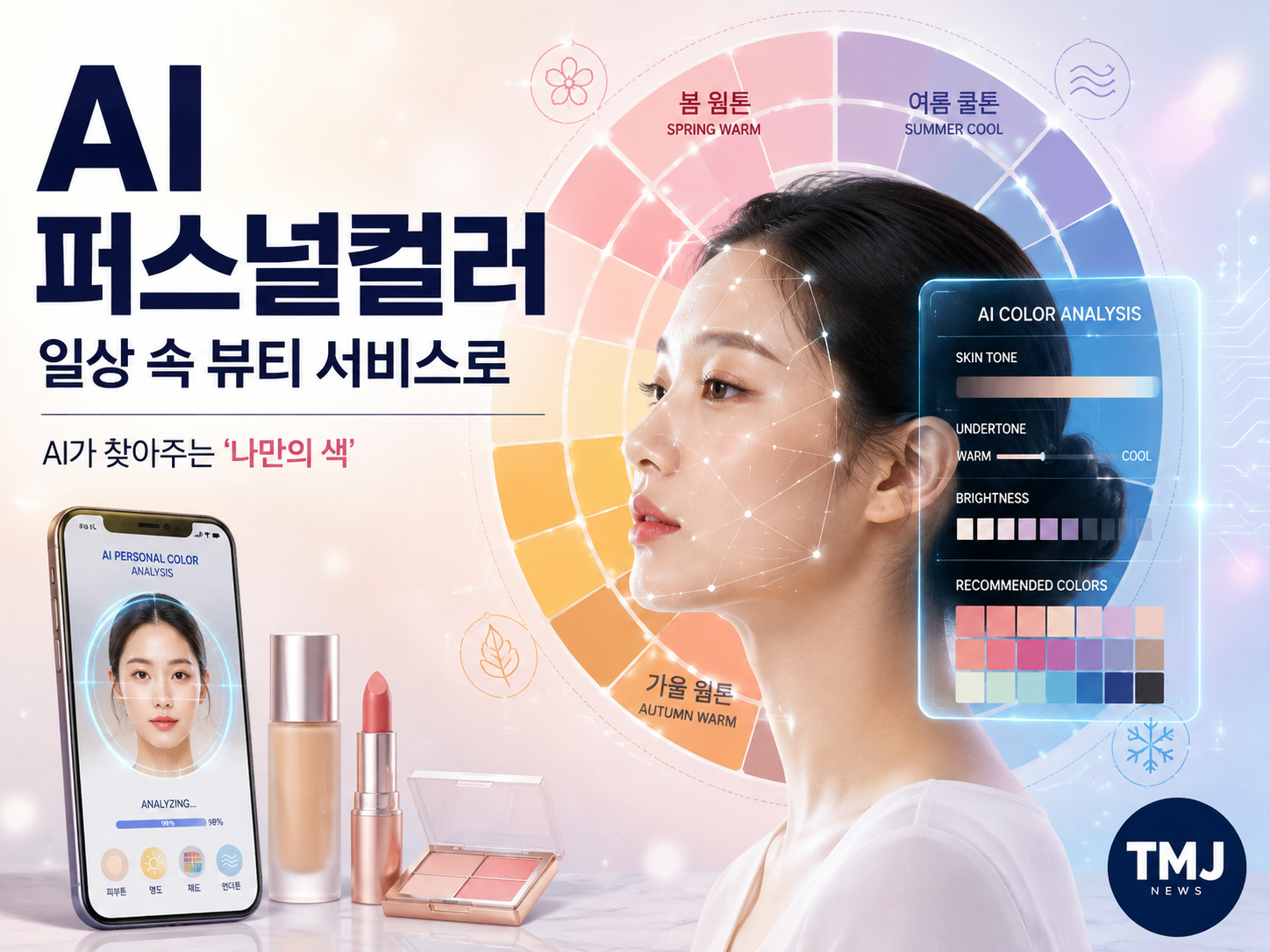
AI 기반 서비스는 얼굴과 피부의 색상 정보를 분석해 어울리는 색조를 제안하고, 진단 결과를 화장품 추천이나 맞춤형 제품 제조로 연결한다. 퍼스널컬러가 전문숍의 상담 서비스를 넘어 화장품 매장과 편의점에서도 체험할 수 있는 일상형 뷰티 서비스로 확산하는 모습이다.
퍼스널컬러란 무엇인가
퍼스널컬러는 피부색과 머리카락, 눈동자 등 개인이 가진 고유한 색채와 조화를 이루는 색을 뜻한다. 일반적으로 봄 웜톤, 여름 쿨톤, 가을 웜톤, 겨울 쿨톤 등 네 가지 계절 유형으로 나눈다.
봄 웜톤은 밝고 따뜻한 색이 잘 어울리는 유형으로 코랄과 피치, 아이보리, 밝은 노란색 계열이 대표적이다. 여름 쿨톤은 부드럽고 차분한 색과 조화를 이루며 라벤더, 연분홍, 하늘색, 소프트 그레이 계열이 주로 언급된다.
가을 웜톤은 깊고 따뜻한 색이 어울리는 유형으로 카멜, 올리브, 브라운, 머스터드 계열이 대표적이다. 겨울 쿨톤은 색의 대비가 크고 선명한 색과 조화를 이루며 블랙, 화이트, 선명한 레드, 로열블루 등이 자주 활용된다.
최근에는 명도와 채도, 선명도와 대비감 등을 세분화해 12개 또는 16개 유형으로 분류하기도 한다. 다만 세부 분류 기준과 유형의 명칭은 진단기관과 서비스에 따라 달라질 수 있다.
피부톤을 진단해 맞춤 화장품 제조
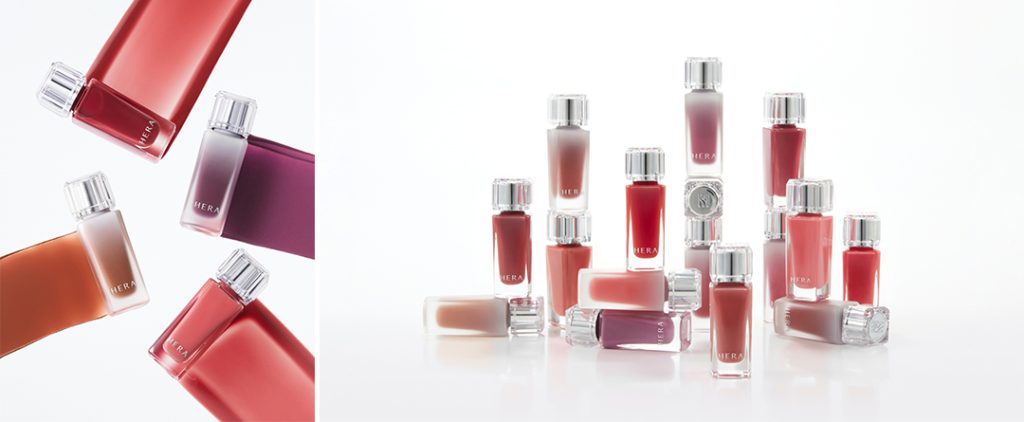
아모레퍼시픽은 피부톤을 측정해 맞춤형 색조 제품을 제조하는 서비스를 운영하고 있다.
헤라의 맞춤형 화장품 서비스는 프로그램을 통해 피부톤의 색상과 명도, 채도를 분석한 뒤 소비자에게 적합한 제품 색상을 제안한다. 이후 고객이 제형과 색상, 향 등을 선택하면 조제 관리사가 현장에서 제품을 제조하는 방식이다. 단순히 기존 제품 가운데 하나를 추천하는 것이 아니라, 진단 결과와 소비자의 선택을 반영해 맞춤형 제품을 만드는 데 초점이 맞춰져 있다.
아모레퍼시픽은 쿠션과 파운데이션 분야에서도 피부톤 측정과 일대일 색상 상담을 거쳐 제품을 즉석 제조하는 서비스를 선보였다. 라네즈의 ‘비스포크 네오’는 피부톤을 측정한 뒤 여러 색상 가운데 적합한 색을 정하고, 제조 로봇이 매장에서 제품을 만드는 방식으로 운영됐다.
2026년 리뉴얼한 아모레용산에서도 헤라 커스텀 매치를 비롯한 맞춤형 뷰티 서비스와 피부·두피 진단 콘텐츠를 제공하고 있다. 기존 예약 고객 중심 방식에서 나아가 일부 진단과 제품 체험은 현장 방문객도 이용할 수 있도록 공간을 확대한 것이 특징이다.
이 같은 서비스는 전통적인 사계절형 퍼스널컬러 진단과 완전히 같은 개념은 아니다. 피부색과 명도, 채도 등 색상 데이터를 중심으로 제품을 맞춤 제조한다는 점에서 AI·디지털 기술을 활용한 개인화 뷰티 서비스에 가깝다.
편의점에서도 받는 퍼스널컬러 진단
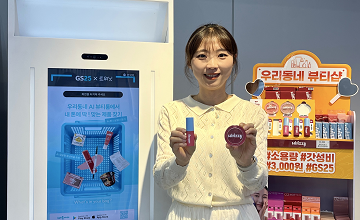
AI 퍼스널컬러 서비스는 화장품 전문 매장을 넘어 편의점으로도 확대되고 있다.
GS25는 2025년 7월 서울 종로구의 뉴안녕인사동점에 AI 뷰티 디바이스를 도입했다. 고객이 기기 화면에 얼굴을 비추면 카메라가 피부와 눈, 입술의 색상을 촬영하고 피부 명도와 채도, 색온도 등을 분석해 퍼스널컬러를 제시한다. 분석 결과에 따라 블러셔와 립 등 매장에서 판매하는 색조화장품도 추천한다.
해당 기기는 퍼스널컬러뿐 아니라 눈의 형태와 입술 두께, 코의 폭, 얼굴 비율 등을 분석하고 메이크업과 헤어, 액세서리 스타일도 제안한다. 이용자는 진단 결과를 QR코드로 내려받을 수 있다.
GS리테일은 서비스 도입 당시 뉴안녕인사동점을 시작으로 강남동원점에 추가 설치하고, 2025년 안에 운영 점포를 10곳까지 확대할 계획이라고 밝혔다. 초기 무료 체험 기간 이후 이용 요금은 2천원으로 책정됐다. 다만 실제 운영 점포와 이용 가능 여부는 방문 시점에 따라 달라질 수 있어 사전 확인이 필요하다.
전문 화장품 매장이 아닌 편의점에서 퍼스널컬러를 진단하고, 결과에 맞는 제품까지 바로 구매할 수 있다는 점은 서비스 대중화의 한 장면으로 볼 수 있다. 퍼스널컬러 진단이 별도의 예약을 거쳐 받는 상담에서 일상적인 쇼핑 경험으로 이동하고 있는 것이다.
AI가 전문가를 대신할 수 있을까
AI 기반 퍼스널컬러 분석은 접근성과 편의성을 높였지만, 전문가의 정밀 진단을 완전히 대체하는 단계라고 보기는 어렵다.
얼굴 이미지 분석 결과는 촬영 장소의 조명과 카메라 화이트밸런스, 화면의 색상 보정, 메이크업 여부 등에 따라 달라질 수 있다. 햇빛에 피부가 그을렸거나 일시적으로 붉은 기가 올라온 경우에도 평소와 다른 결과가 나올 가능성이 있다.
전문가 진단은 여러 색의 드레이프를 얼굴 가까이에 대고 피부의 밝기뿐 아니라 안색과 윤곽, 잡티, 눈동자의 변화 등을 종합적으로 관찰한다. 반면 AI 기기는 정해진 촬영 조건과 분석 기준에 따라 결과를 제시한다.
따라서 AI 서비스는 자신의 웜톤·쿨톤 성향이나 어울리는 색조를 빠르게 살펴보는 참고 도구로 활용할 수 있다. 중요한 촬영이나 의상 선택, 정밀한 이미지 컨설팅이 필요한 경우에는 전문가 진단과 함께 활용하는 방식이 적절하다.
퍼스널컬러에서 초개인화 뷰티로
뷰티 산업에서 AI의 역할은 퍼스널컬러 진단에 머물지 않는다. 피부 상태와 두피, 모발을 분석하고 헤어 컬러와 화장품을 추천하거나, 개인의 측정 결과에 따라 제품을 현장에서 제조하는 방식으로 영역이 확대되고 있다.
소비자가 매장에 진열된 제품 가운데 자신의 감각만으로 색상을 고르던 방식에서 벗어나, 개인의 피부와 색상 데이터를 토대로 선택을 보조받는 구조가 형성되고 있는 것이다.
다만 AI가 제시하는 진단 결과와 제품 추천이 항상 객관적인 정답을 의미하는 것은 아니다. 서비스마다 분석 기준과 추천 대상 제품이 다르고, 특정 업체가 판매하는 제품 안에서만 추천이 이뤄질 수도 있기 때문이다.
퍼스널컬러의 대중화는 전문가의 역할이 사라진다는 의미보다, 전문 영역이었던 색채 진단을 더 많은 소비자가 간편하게 경험하게 됐다는 데 의미가 있다. AI와 디지털 기술이 결합하면서 퍼스널컬러는 상담 중심 서비스에서 진단과 체험, 제품 구매와 맞춤 제조가 연결되는 새로운 뷰티 시장으로 변화하고 있다.
AI Personal Color Services Expand: AI Is Now Finding Your Best Colors
From Expert Consultations to Convenience Stores and Personalized Beauty Solutions
For years, personal color analysis was considered the domain of professional consultants. The process involved placing dozens of color drapes near a person’s face to evaluate skin tone, brightness, saturation, and contrast before identifying the colors that complemented them best. It was widely regarded as a premium service that required appointments and consultation fees.
Today, that landscape is changing. As artificial intelligence (AI) becomes increasingly integrated into the beauty industry, personal color analysis is evolving into an everyday service. AI-powered systems analyze facial features and skin color data, then connect the results to cosmetic recommendations or even on-demand customized product manufacturing. Personal color is no longer limited to specialized studios but is gradually becoming part of everyday shopping experiences in cosmetics stores and even convenience stores.
What Is Personal Color?
Personal color refers to the colors that naturally harmonize with an individual’s skin tone, hair color, and eye color. It is commonly categorized into four seasonal types: Spring Warm, Summer Cool, Autumn Warm, and Winter Cool.
Spring Warm types generally suit bright and warm shades such as coral, peach, ivory, and light yellow. Summer Cool types are complemented by soft, muted colors including lavender, pastel pink, sky blue, and soft gray.
Autumn Warm types are often matched with rich, earthy colors such as camel, olive, brown, and mustard, while Winter Cool types tend to look best in bold, high-contrast shades including black, white, vivid red, and royal blue.
Many professionals now use more detailed systems with 12 or even 16 seasonal subcategories based on brightness, saturation, clarity, and contrast. However, classification methods vary depending on the organization or service provider.
AI-Powered Skin Tone Analysis and Customized Cosmetics
South Korea’s beauty industry has begun applying AI to personalized cosmetic services.
Amorepacific, for example, operates services that analyze customers’ skin tones before producing customized makeup products. HERA’s customized cosmetics program measures skin color, brightness, and saturation to determine suitable shades. Customers can then choose textures, colors, and fragrances, while trained specialists manufacture personalized products on-site.
The company also offers customized cushion foundations through its Laneige Bespoke Neo service, where skin tone measurements are combined with robotic manufacturing technology to create products tailored to each customer.
Following the renovation of Amore Yongsan in 2026, visitors can also experience personalized beauty services, including HERA Custom Match as well as skin and scalp analysis programs.
These services are not identical to traditional four-season personal color consultations. Instead, they represent AI-driven personalized beauty solutions that focus primarily on skin color data and customized product creation.
Personal Color Analysis Arrives at Convenience Stores
AI-powered personal color services are also expanding beyond cosmetics retailers.
In July 2025, GS25 introduced an AI beauty device at its New Annyeong Insadong branch in Seoul. Customers simply stand in front of the device while its camera analyzes skin tone, eye color, lip color, brightness, saturation, and color temperature before identifying their personal color profile.
Based on the results, the system recommends makeup products such as lipsticks and blushes available in the store.
The device also evaluates facial proportions, eye shape, lip thickness, nose width, and overall facial balance while suggesting hairstyles, accessories, and makeup styles. Customers can download their results through a QR code.
According to GS Retail, the service was initially launched at the New Annyeong Insadong branch before expanding to another location in Gangnam, with plans to increase the number of participating stores. Availability may vary depending on location and operating conditions.
The introduction of personal color analysis in convenience stores illustrates how beauty consultations are shifting from appointment-based specialty services toward everyday retail experiences.
Can AI Replace Human Experts?
Although AI has made personal color analysis more accessible and convenient, it has not completely replaced professional consultants.
Analysis results can vary depending on lighting conditions, camera white balance, image processing, makeup, and even temporary changes in skin condition such as sun exposure or redness.
Professional consultants evaluate subtle changes in complexion, facial definition, and eye appearance by comparing multiple color drapes directly against the face. AI systems, by contrast, rely on predefined algorithms and image analysis under standardized conditions.
For this reason, AI is best viewed as a practical screening tool that helps users quickly understand whether they lean toward warm or cool tones and identify suitable color palettes. Those seeking highly detailed image consulting may still benefit from professional in-person analysis.
From Personal Color to Hyper-Personalized Beauty
The role of AI in beauty extends well beyond personal color analysis. Technologies are increasingly being applied to skin diagnostics, scalp analysis, hair color recommendations, cosmetic personalization, and on-demand product manufacturing.
Instead of choosing products solely through trial and error, consumers are beginning to rely on data-driven recommendations based on their individual characteristics.
However, AI-generated recommendations should not be regarded as absolute answers. Different platforms use different analytical methods, and recommendations are often limited to products offered within each company’s own portfolio.
The growing popularity of personal color services does not signal the end of professional consulting. Rather, it reflects how AI and digital technology are making color analysis more accessible while connecting diagnosis, product recommendations, and customized manufacturing into a new generation of beauty services.
저작권자 © '더미디어저널리스트' 무단전재 및 재배포, AI학습 및 활용 금지
작성자 소개