국지성 집중호우 가능성 커져… 사전 대비와 신속한 대피가 인명피해 막는다
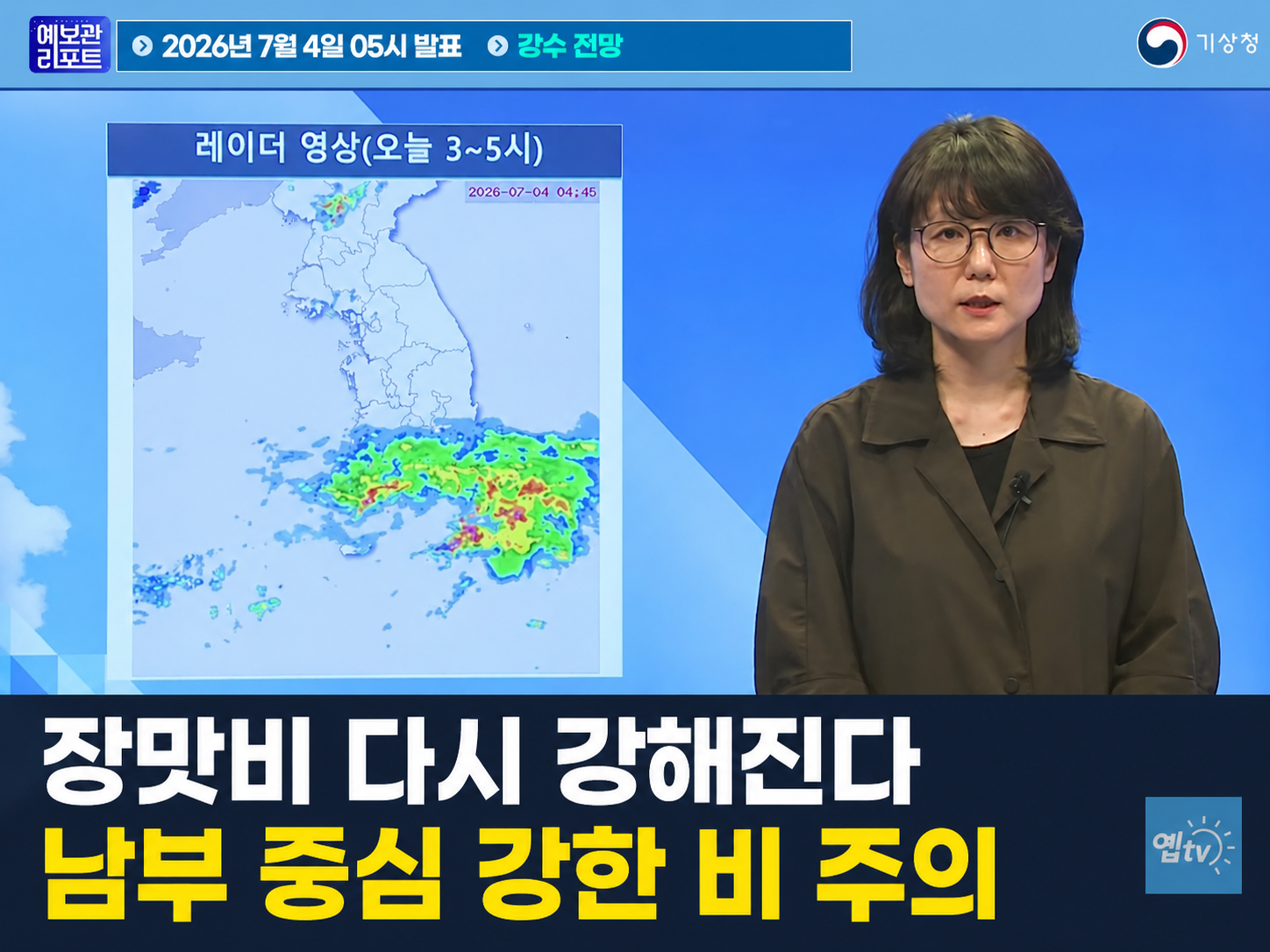
국적으로 장마가 이어지는 가운데 국지성 집중호우 가능성이 커지면서 철저한 대비가 요구되고 있다.
기상청은 호우특보가 발표될 경우 침수지역과 지하차도, 하천변 등 위험지역에는 접근하지 말고, 기상정보와 재난안내를 지속적으로 확인해 신속히 대피해야 한다고 당부했다.
호우는 짧은 시간에 많은 비가 집중되면서 하천 범람과 산사태, 도로 및 주택 침수 등으로 이어질 수 있어 인명과 재산 피해를 유발하는 대표적인 자연재난이다.
비가 오기 전 미리 준비해야
기상청은 장마철에는 TV와 라디오, 인터넷, 스마트폰 등을 통해 기상정보를 수시로 확인하고, 거주지역의 침수 위험지역과 대피 장소를 미리 알아둘 것을 권고했다.
가족과 함께 비상시 이동 경로를 정하고 손전등, 식수, 비상식량, 응급약품, 휴대전화 충전기 등 비상용품을 한곳에 준비하는 것도 중요하다.
또한 집 주변 배수구와 빗물받이를 점검하고 막힌 곳은 미리 정비해야 하며, 비탈면이나 축대 등에 균열이 발견될 경우 지방자치단체에 신고하는 것이 필요하다.
호우특보가 예보되면
호우특보가 예보되면 외출을 자제하고 기상 상황과 재난정보를 지속적으로 확인해야 한다.
등산과 야영, 계곡 물놀이, 낚시 등 야외활동은 즉시 중단하고 안전한 장소로 이동해야 한다.
저지대와 상습 침수지역, 산사태 위험지역에 거주하는 경우에는 대피 준비를 서둘러야 하며, 지하주차장이나 하천변에 주차된 차량은 미리 안전한 곳으로 옮기는 것이 바람직하다.
어린이와 고령자, 장애인 등 대피 취약계층의 안전도 함께 살피는 것이 중요하다.
호우가 시작되면 이렇게 행동해야
호우가 시작되면 침수된 도로와 지하차도, 교량에는 사람과 차량 모두 진입해서는 안 된다.
차량을 운전할 경우에는 속도를 줄이고 하천변과 계곡, 해안가 등 급류가 발생할 수 있는 지역은 피해야 한다.
집 안으로 물이 들어오기 시작하면 즉시 높은 곳이나 지정된 대피장소로 이동해야 하며, 감전 위험이 있으므로 젖은 손으로 전기시설을 만져서는 안 된다.
정전이 발생한 경우에는 양초 대신 손전등이나 휴대전화 조명을 사용하는 것이 안전하다.
호우가 지나간 뒤에도 방심은 금물
비가 그친 뒤에도 침수된 도로와 교량, 하천 제방, 산비탈 등은 붕괴 위험이 남아 있을 수 있어 접근하지 않는 것이 좋다.
침수된 주택은 전기와 가스 안전점검을 받은 뒤 사용해야 하며, 침수된 음식과 식수는 오염 가능성이 있어 사용하지 않는 것이 안전하다.
주택이나 시설물 피해는 사진으로 기록한 뒤 지방자치단체나 행정복지센터에 신고하면 복구와 지원 절차에 도움이 된다.
기상청은 “집중호우로 인한 피해를 줄이기 위해서는 기상특보와 재난안내를 수시로 확인하고, 위험지역에는 접근하지 않는 것이 무엇보다 중요하다”고 밝혔다.
한편 행정안전부와 기상청은 장마 기간 동안 기상정보를 지속적으로 확인하고, 대피 권고나 통제 안내가 있을 경우 즉시 안전한 장소로 이동해 줄 것을 당부했다.
■출처=기상청
Prepare for Heavy Monsoon Rains, Says Korea Meteorological Administration
Avoid Underpasses and Riverbanks During Heavy Rain Warnings
As the monsoon season continues across South Korea, authorities are urging the public to prepare for localized downpours and possible flooding.
The Korea Meteorological Administration (KMA) advises people to avoid flood-prone areas, underground roadways, riverbanks, and other hazardous locations whenever a heavy rain advisory or warning is issued. Officials also stress the importance of monitoring weather updates and emergency alerts and evacuating promptly when necessary.
Heavy rainfall can trigger river overflows, landslides, flash floods, and widespread property damage, making early preparation and swift action essential to reducing casualties.
Prepare Before Heavy Rain Arrives
The KMA recommends checking weather forecasts regularly through television, radio, the internet, or smartphone applications. Residents should identify nearby evacuation shelters and become familiar with safe evacuation routes in advance.
Families are encouraged to prepare emergency supplies, including drinking water, non-perishable food, flashlights, first-aid kits, portable phone chargers, and other essential items.
Authorities also advise clearing drains around homes, inspecting slopes and retaining walls for cracks, and reporting any potential hazards to local governments.
When a Heavy Rain Advisory Is Forecast
People should avoid unnecessary travel and closely monitor weather conditions and official emergency information.
Outdoor activities such as hiking, camping, fishing, and playing in valleys or streams should be suspended immediately.
Residents living in low-lying or landslide-prone areas are encouraged to prepare for evacuation. Vehicles parked near rivers, underground parking lots, or flood-prone areas should be moved to safer locations before rainfall intensifies.
Special attention should also be given to children, older adults, and people with disabilities who may require assistance during an emergency.
During Heavy Rain
Once heavy rain begins, people should never enter flooded roads, underpasses, or bridges, whether on foot or by vehicle.
Drivers should reduce speed and avoid riversides, valleys, coastal roads, and other areas vulnerable to flash flooding.
If water begins entering a building, residents should evacuate immediately to higher ground or designated shelters. Wet hands should never touch electrical equipment because of the risk of electric shock.
In the event of a power outage, flashlights or mobile phone lights should be used instead of candles to reduce the risk of fire.
Stay Alert Even After the Rain Stops
Flooded roads, bridges, riverbanks, and unstable slopes may remain dangerous even after rainfall ends.
Flood-damaged homes should not be reoccupied until gas and electrical systems have been inspected by qualified professionals. Food and drinking water exposed to floodwaters should be discarded due to possible contamination.
Residents are also encouraged to document property damage with photographs before reporting it to local authorities to support recovery and assistance procedures.
The Korea Meteorological Administration emphasized that staying informed through official weather alerts and avoiding hazardous areas remain the most effective ways to reduce the risks associated with heavy rainfall during the monsoon season.
저작권자 © '더미디어저널리스트' 무단전재 및 재배포, AI학습 및 활용 금지
작성자 소개