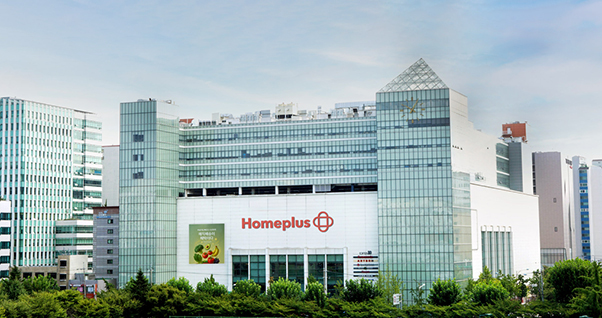
서울회생법원 회생4부(재판장 정준영 법원장)는 지난 3일 홈플러스의 회생절차 폐지를 결정했다. 재판부는 회생계획을 이행하는 데 필요한 운영자금을 확보하기 어렵다고 판단했다. 이에 따라 홈플러스는 회생보다 파산 가능성이 한층 커진 상황에 놓이게 됐다.
다만 이번 결정이 곧바로 파산을 의미하는 것은 아니다. 홈플러스는 결정일로부터 14일 이내 즉시항고할 수 있다. 이 기간 안에 회생에 필요한 자금을 확보할 경우 법원이 스스로 폐지 결정을 취소하는 이른바 ‘재도의 고안’을 통해 회생절차가 다시 진행될 가능성도 남아 있다.
이번 결정의 핵심은 회생계획의 실현 가능성이다. 홈플러스는 지난 6월 30일 기존 대형마트 126개 점포 가운데 67개 핵심 점포를 중심으로 사업을 재편하는 내용을 담은 수정 회생계획안을 법원에 제출했다. 그러나 재판부는 회생계획을 정상적으로 이행하기 위한 최소 약 2,000억 원 규모의 운영자금 확보 가능성이 충분하지 않다고 판단했다.
회생절차 폐지 결정과 함께 그동안 채권자들의 강제집행과 가압류, 경매 등을 막아왔던 포괄적 금지명령도 효력을 잃게 됐다. 이에 따라 채권자들의 권리행사가 가능해지면서 업계에서는 홈플러스가 사실상 파산 수순에 들어간 것 아니냐는 관측도 나오고 있다.
홈플러스는 한때 국내 대형마트 시장을 대표하는 유통기업으로 성장했지만, 온라인 쇼핑 확대와 소비 패턴 변화, 오프라인 유통 경쟁 심화로 수익성이 악화됐다. 여기에 금융 부담과 자금난까지 겹치면서 올해 기업회생절차를 신청하게 됐다.
회사는 유동성 확보를 위한 구조조정도 추진했다. 지난 5월에는 기업형 슈퍼마켓(SSM) 사업인 홈플러스 익스프레스 영업권을 하림그룹 계열 NS쇼핑에 양도하는 계약을 체결하는 등 자금 확보에 나섰지만, 회생계획을 유지하기에는 충분하지 않았다는 평가가 나온다.
이번 결정으로 소비자와 직원, 협력업체의 불안도 커지고 있다. 현재 전국 홈플러스 매장은 정상 영업을 이어가고 있지만, 향후 자금 조달과 법적 절차 진행 상황에 따라 일부 점포 운영과 사업 구조조정이 이뤄질 가능성을 배제할 수 없다. 상품권과 포인트 등 소비자 서비스 역시 향후 회사의 경영 상황에 따라 영향을 받을 수 있어 관련 공지를 지속적으로 확인할 필요가 있다.
직원과 협력업체도 긴장하고 있다. 유통업계에서는 홈플러스와 직·간접적으로 연결된 협력업체와 고용시장에도 적지 않은 영향을 미칠 수 있다는 우려가 제기된다.
향후 최대 변수는 자금 조달이다. 즉시항고 기간 안에 운영자금을 확보하면 회생절차가 다시 진행될 가능성이 있지만, 자금 확보에 실패할 경우 파산 절차로 이어질 가능성은 더욱 커질 전망이다.
이번 홈플러스 사태는 한 기업의 경영난을 넘어 국내 유통산업의 구조 변화와 기업회생제도의 현실을 보여주는 사례로 평가된다. 앞으로 2주 동안의 자금 조달 여부와 채권단 협의 결과가 홈플러스의 향후 운명을 가를 분수령이 될 것으로 보인다.
What’s Happening at Homeplus? Court Terminates Rehabilitation Proceedings
The Seoul Bankruptcy Court’s Rehabilitation Division 4, presided over by Chief Judge Jung Jun-young, decided on July 3 to terminate the corporate rehabilitation proceedings for Homeplus. The court concluded that the company was unlikely to secure the operating funds necessary to implement its rehabilitation plan, significantly increasing the possibility that the retailer could ultimately enter bankruptcy proceedings.
However, the decision does not immediately mean Homeplus is bankrupt. The company has 14 days to file an immediate appeal. If it secures the required operating funds during that period, the court may revoke its own termination order under Korea’s legal principle known as “reconsideration by the original court,” allowing the rehabilitation process to resume.
The court’s decision centered on the feasibility of Homeplus’ rehabilitation plan. On June 30, the company submitted a revised plan that proposed restructuring its business around 67 core hypermarket locations out of its existing 126 stores. The court, however, determined that Homeplus had not demonstrated a realistic ability to secure the minimum operating funds—estimated at around KRW 200 billion (approximately US$145 million)—required to carry out the plan.
With the termination of the rehabilitation proceedings, the comprehensive stay order that had protected Homeplus from creditor actions such as asset seizures, provisional attachments, and foreclosure also expired. As a result, creditors may now begin exercising their legal rights, prompting industry observers to describe the decision as placing the retailer on a de facto path toward bankruptcy.
Once one of South Korea’s leading hypermarket chains, Homeplus has struggled in recent years as online shopping expanded, consumer behavior shifted, and competition in the offline retail sector intensified. Mounting financial obligations and worsening liquidity eventually forced the company to seek court-supervised rehabilitation earlier this year.
The retailer also attempted to improve its financial position through restructuring. In May, it signed an agreement to transfer the business operations of Homeplus Express, its supermarket chain, to NS Shopping, a subsidiary of the Harim Group. Despite these efforts, the measures proved insufficient to convince the court that the rehabilitation plan could be successfully implemented.
The court’s decision has heightened concerns among consumers, employees, and business partners. Homeplus stores across the country continue to operate normally, but future restructuring or store closures remain possible depending on the outcome of funding efforts and legal proceedings. Consumers holding gift certificates, loyalty points, or other membership benefits are advised to monitor official company announcements.
Employees and suppliers are also facing growing uncertainty. Industry analysts warn that the financial difficulties of Homeplus could have broader implications for employment and the numerous businesses connected to the retailer’s nationwide supply chain.
The key question now is whether Homeplus can secure the operating funds needed within the appeal period. If financing is obtained, rehabilitation proceedings may resume. If not, the likelihood of formal bankruptcy proceedings will increase substantially.
The Homeplus case has become more than the story of a struggling retailer. It reflects the structural transformation of South Korea’s retail industry and highlights the challenges facing the country’s corporate rehabilitation system. Over the next two weeks, the company’s ability to secure funding and negotiate with creditors is expected to determine its future.
저작권자 © '더미디어저널리스트' 무단전재 및 재배포, AI학습 및 활용 금지
작성자 소개