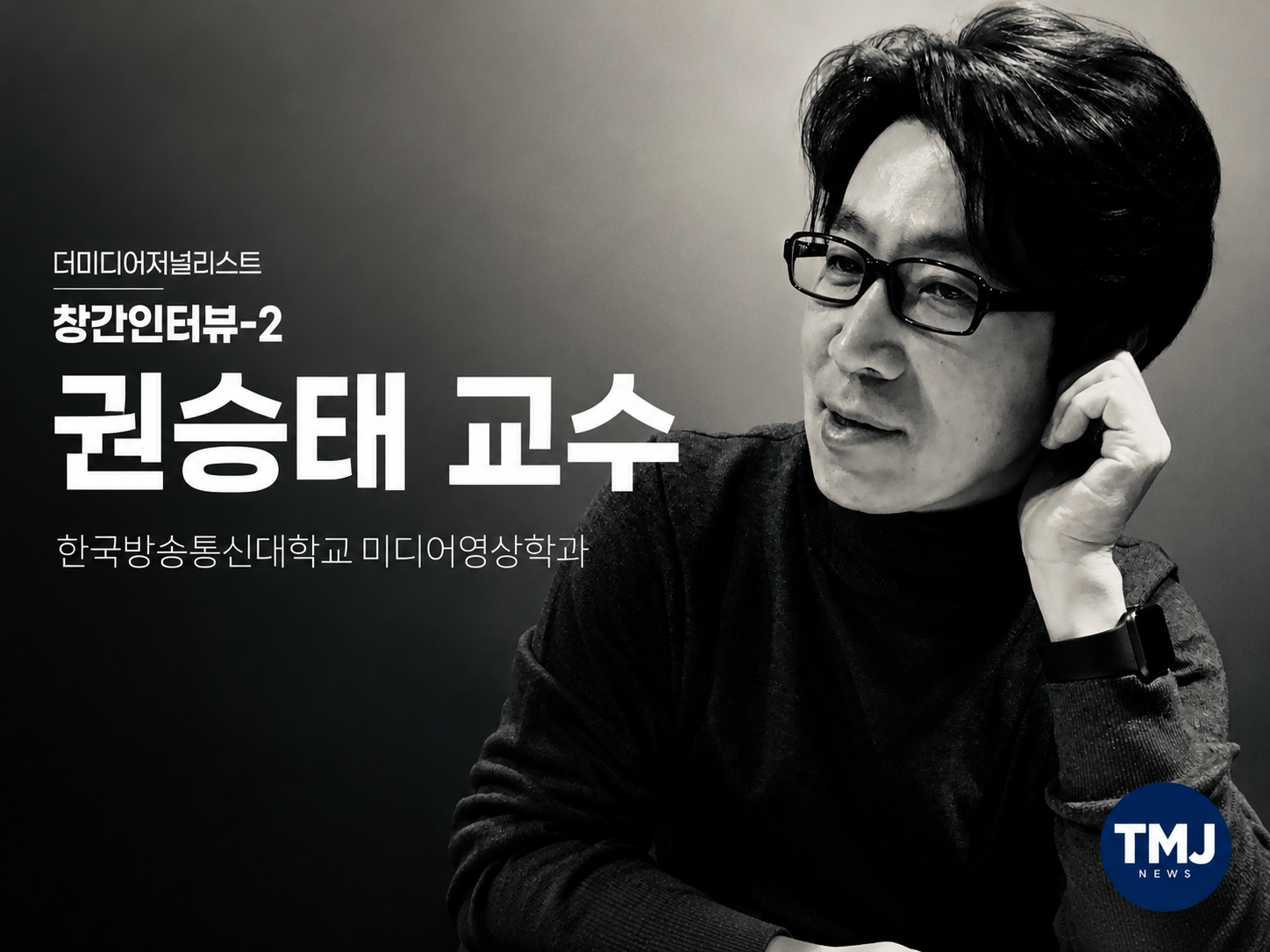
01. 철학은 어떻게 콘텐츠가 되는가
콘텐츠를 제작하는 이라면 누구나 한 번쯤 고민하게 된다. 보이지 않는 사유와 철학은 어떻게 대중의 공감을 이끌어내는 콘텐츠로 구현될 수 있을까.
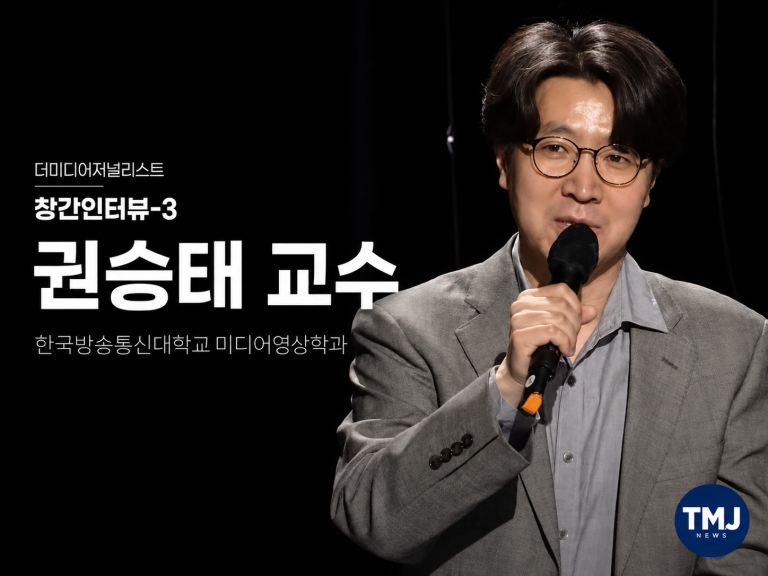
권승태 한국방송통신대학교 미디어영상학과 교수는 그 해답을 ‘시대를 읽는 역량’에서 찾는다. 그는 철학을 단순히 난해한 이론을 탐구하는 학문이 아니라, 시대가 무엇을 중요하게 여기고 어떤 방향으로 변화하는지를 이해하는 과정으로 설명했다.
02. 철학은 시대를 읽는 사고의 도구
권 교수는 철학사를 공부하면 시대마다 사람들이 무엇을 중요하게 생각했고, 사회가 어떤 방향으로 변화해 왔는지를 읽을 수 있다고 설명했다.
그는 기획자는 콘텐츠를 제작하는 사람인 동시에 시대를 읽는 사람이어야 한다고 말했다. 대중의 요구와 사회의 흐름을 이해하지 못한다면 아무리 뛰어난 아이디어라도 공감을 얻기 어렵기 때문이다.
또한 좋은 기획은 시대보다 반 발 정도 앞서 있어야 하지만, 지나치게 앞서거나 뒤처져서도 안 된다고 강조했다. 시대를 읽지 못하면 콘텐츠는 현실과 괴리되고, 반대로 너무 앞서가면 대중이 이를 받아들이기 어렵다는 것이다.
그는 방시혁 의장을 사례로 들며, 성공적인 기획은 시대를 읽는 능력에서 비롯된다고 설명했다.
한 시대를 대표하는 콘텐츠는 결코 우연히 탄생하지 않는다. 사람들이 무엇을 고민하고 무엇에 공감하는지를 정확히 포착할 때 비로소 대중의 마음을 움직이는 콘텐츠가 만들어진다.
권 교수는 철학은 시대의 변화를 읽는 사고의 틀을 제공하며, 기획자는 그 흐름을 사람들이 공감할 수 있는 콘텐츠로 풀어내는 역할을 한다고 설명했다.
03. 시대를 읽는 사람이 좋은 콘텐츠를 만든다
권 교수는 이러한 변화를 설명하기 위해 미술사의 사례를 제시했다.
르네상스 시대에는 단일 시점에 기반한 원근법이 중심이었다. 그러나 사진의 등장으로 현실을 재현하는 기능은 사진이 담당하게 되었고, 예술은 새로운 표현 방식을 모색하기 시작했다.
피카소는 하나의 시점이 아닌 여러 시점을 하나의 화면에 담아냈다. 이는 단순한 화풍의 변화가 아니라 세상을 바라보는 방식 자체의 전환을 보여주는 사례라고 권 교수는 설명했다.
그는 오늘날 콘텐츠 역시 이와 유사한 흐름을 보인다고 말했다. 하나의 정답을 제시하기보다 다양한 시각과 새로운 관점을 담아낼 때, 대중은 더욱 깊은 공감과 흥미를 느낀다는 것이다.
또한 그는 뛰어난 기획자는 기존의 틀을 그대로 따르지 않는다고 강조했다. 새로운 콘텐츠는 다른 시각에서 세상을 바라보려는 시도에서 출발하며, 이를 위해서는 다양한 분야의 독서와 지속적인 인사이트를 쌓는 노력이 필요하다고 덧붙였다.
결국 철학은 콘텐츠의 소재가 아니라 시대를 읽는 사고의 도구다. 좋은 기획자는 시대의 변화를 이해하고, 그 흐름을 대중이 공감할 수 있는 콘텐츠로 번역하는 사람이다.
기술은 빠르게 발전하고 있다. 그러나 무엇을 이야기할 것인지, 왜 지금 이 이야기를 해야 하는지를 결정하는 힘은 여전히 인간에게 있다. 권승태 교수가 말하는 ‘좋은 기획’의 본질 역시 바로 그 지점에서 출발한다.
이런 시리즈가 이어집니다.
[창간인터뷰①] 권승태 교수 – 좋은 콘텐츠는 기획에서 시작된다(이전 글)
[창간인터뷰②] 권승태 교수 – 좋은 기획자는 시대를 읽는다 (현재 읽는 글)
[창간인터뷰③] 권승태 교수 – AI 시대에도 인간에게 남는 것은 무엇인가
[창간인터뷰④] 권승태 교수 – 본질을 찾는 사람이 진짜 기자다
권승태 교수, 그는 누구인가?
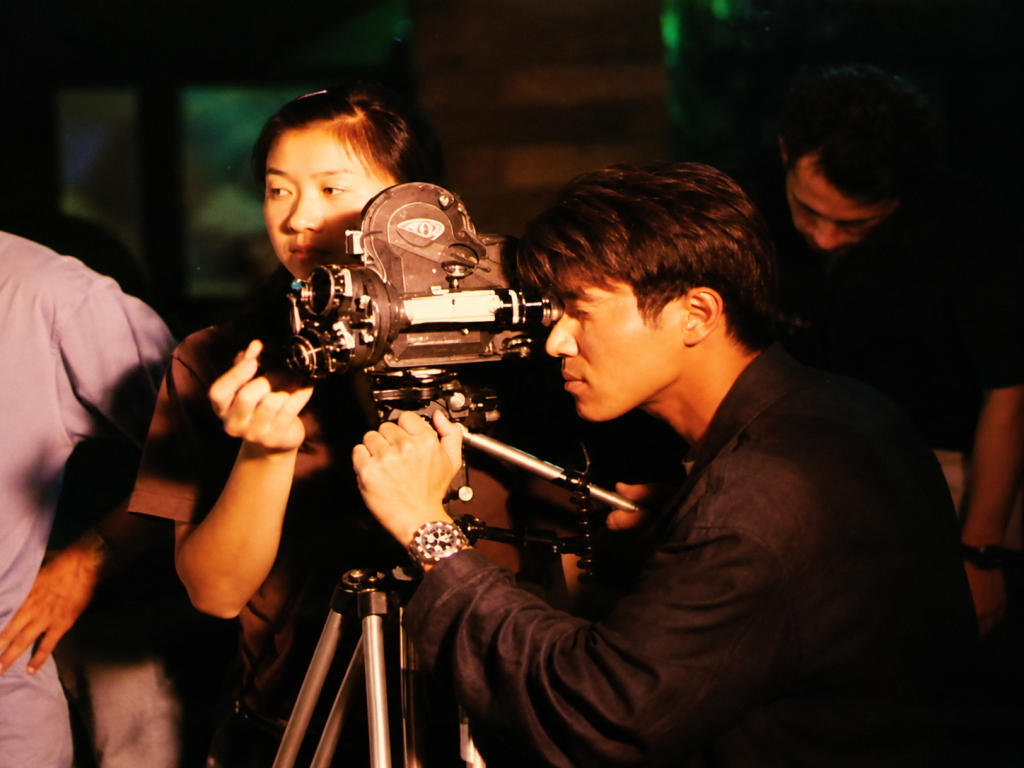
권승태 교수는 한국방송통신대학교 미디어영상학과 전임대우 강의교수로 재직하며 ‘1인미디어기획제작’, ‘디지털영상편집’ 등을 강의하고 있다. 콘텐츠 기획과 영상스토리텔링, AI 기반 미디어 교육 분야를 연구하고 있다.
주요 저서
- 『AI 생성이미지의 이해와 활용』(2025)
- 『1인미디어기획제작』(2022, 공저)
- 『디지털영상편집』(2021,공저)
<독자 여러분의 의견을 기다립니다>
이번 인터뷰가 인상 깊었다면 더미디어저널리스트 카카오톡 채널로 의견을 보내주세요.
독자 여러분의 의견은 다음 인터뷰와 시리즈 제작에 소중한 밑거름이 됩니다.
카카오톡 채널 : 더미디어저널리스트
[Launch Interview ②] Professor Kwon Seung-tae
A Great Planner Reads the Times
How Does Philosophy Become Content?
Anyone involved in content creation eventually faces the same question: How can invisible ideas and philosophy be transformed into content that resonates with people?
Professor Kwon Seung-tae of the Department of Media and Communication at Korea National Open University believes the answer lies in the ability to read the times. He explains that philosophy is not merely the study of difficult theories, but a way of understanding what each era values and how society continues to evolve.
02. Philosophy as a Tool for Reading the Times
Professor Kwon explains that studying the history of philosophy enables us to understand what people valued in different periods and how society has changed over time.
He argues that a content planner must be more than a producer of media—they must also be someone who can interpret the spirit of the age. Without understanding public interests and social trends, even the most creative ideas struggle to connect with audiences.
He also emphasizes that successful planning should stay slightly ahead of its time, but never so far ahead that audiences cannot relate to it. Likewise, falling behind the times makes content lose its relevance.
As an example, Professor Kwon refers to HYBE Chairman Bang Si-hyuk, explaining that successful planning originates from an accurate reading of the era.
Content that defines a generation is never created by accident. It emerges from a precise understanding of what people are thinking about and what truly resonates with them.
According to Professor Kwon, philosophy provides the intellectual framework for understanding social change, while planners transform that understanding into stories that people can relate to.
03. Those Who Read the Times Create Great Content
To illustrate his point, Professor Kwon turns to the history of art.
During the Renaissance, linear perspective became the dominant way of representing reality. However, with the invention of photography, the task of accurately reproducing reality shifted to the camera, allowing artists to explore entirely new forms of expression.
He cites Pablo Picasso as a representative example. Rather than depicting a subject from a single viewpoint, Picasso combined multiple perspectives within a single canvas. Professor Kwon explains that this represented not merely a stylistic innovation but a fundamental transformation in the way people perceive the world.
He believes today’s content industry follows a similar trajectory. Instead of presenting a single correct answer, content becomes more compelling when it embraces multiple perspectives and fresh ways of seeing.
Professor Kwon also stresses that outstanding planners do not simply follow existing frameworks. Truly original content begins by looking at the world differently. To cultivate such perspectives, he encourages broad reading and the continuous accumulation of new insights.
Ultimately, philosophy is not the subject matter of content—it is a way of thinking that helps us understand the times. Great planners recognize the direction of social change and translate those changes into stories that audiences can embrace.
Technology continues to advance at an extraordinary pace. Yet the power to decide what story should be told, and why it matters now, still belongs to people. According to Professor Kwon, that is where the essence of truly great planning begins.
Who Is Professor Kwon Seung-tae?
Photo: Professor Kwon Seung-tae during his years of professional field experience. (Courtesy of Professor Kwon)
Professor Kwon Seung-tae is a full-time lecturer in the Department of Media and Communication at Korea National Open University, where he teaches courses including One-Person Media Planning and Production and Digital Video Editing. His research focuses on content planning, visual storytelling, and AI-powered media education.
Major Publications
- Understanding and Utilizing AI-Generated Images (2025)
- One-Person Media Planning and Production (Co-author, 2022)
- Digital Video Editing (Co-author, 2021)
저작권자 © '더미디어저널리스트' 무단전재 및 재배포, AI학습 및 활용 금지
작성자 소개