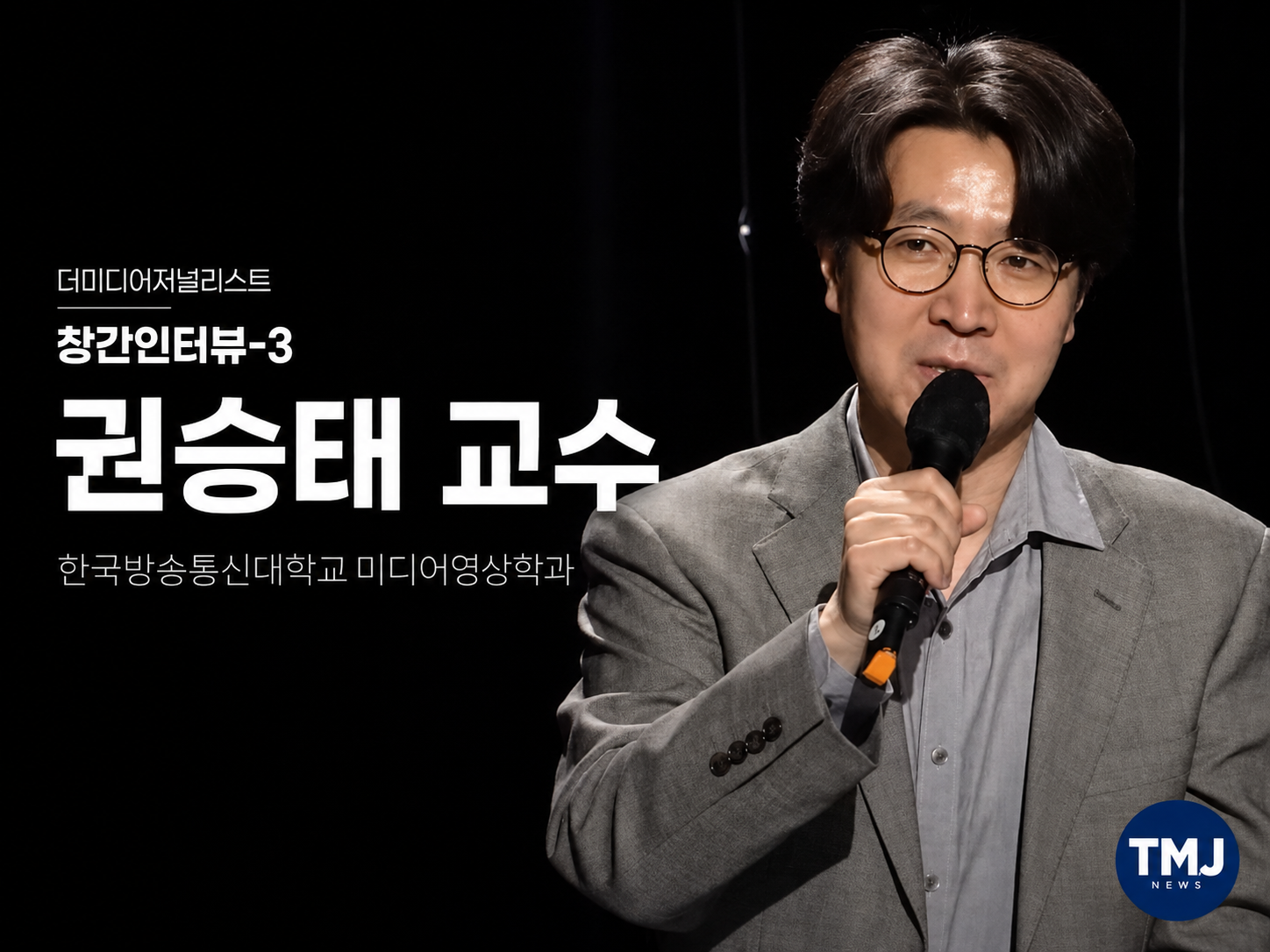
한국방송통신대학교 미디어영상학과 교수
좋은 콘텐츠는 한 사람의 능력만으로 만들어지지 않는다. 권승태 교수는 이를 설명하며 ‘행위자’라는 개념을 꺼냈다. 사람뿐 아니라 소프트웨어와 AI, 카메라, 장소까지도 결과물을 만들어가는 과정에 함께 관여한다는 것이다.
“소프트웨어도 행위자가 되고, AI도 행위자가 될 수 있고, 카메라도 행위자가 될 수 있고, 장소도 행위자가 될 수 있어요. 모든 게 다 행위자가 될 수 있습니다.”
그는 좋은 결과물이 나오는 과정에서 정말 중요한 것은, 이렇게 여러 요소를 얼마나 세심하게 연결하고 조율하느냐에 있다고 했다.
“내가 혼자서 다 한다고 생각하면 절대 안 돼요. 내가 능력이 있어서 하는 게 아니라, 다 남의 것에서 온 겁니다.”
감독의 역할도 바로 거기에 있다고 봤다.
“그걸 잘 조율하는 사람, 끝까지 책임지고 조율해서 완성도 있게 만드는 사람이 감독이 되는 거죠.”
그렇게 보면 AI 역시 이 연결 안에 자연스레 들어와 있는 하나의 행위자다.
“AI를 행위자로서 확실하게 협업해야 하는 시기가 온 거죠.”
다만 기획만큼은 다르다고 부드럽게 선을 그었다. 어떤 소재를 고르고, 그것을 어떤 방향으로 풀어낼지를 정하는 일은 여전히 사람이 해야 하는 몫이라는 것이다.
“기획을 잘하는 건 결국 AI가 아니라 인간이 하는 거죠. AI는 기획을 못하니까요.”
“AI가 할 수 없는 협업이 있다”
권 교수는 AI를 활용하는 시대에도, 사람 사이의 연결과 협업만큼은 여전히 소중하다고 말했다.
“앞으로도 좋은 결과물이 나오려면 협업이 돼야 하는데, 문제는 AI가 그런 협업을 할 수가 없다는 거예요.”
그가 조용히 힘주어 말한 것은 네트워킹과 소통이었다.
“아무리 AI를 잘 활용한다 해도, 좋은 결과물을 내는 데 키는 네트워킹이고 협업이에요. 소통이고 협업입니다.”
기획과 함께 그가 또 하나 소중히 여긴 것은 ‘진짜’를 찾아가려는 태도였다. 사람들이 이미 가진 상식이나 편견으로 상황을 쉽게 판단하기보다, 실제가 무엇인지 직접 들여다보려는 노력이 필요하다는 것이다.
“정말 진짜, 리얼리티, 진짜를 찾아가는 것. 기존 상식을 파괴해서 진짜를 맞닥뜨리는 그런 용기, 이런 건 AI가 모르는 영역이에요.”
그는 이러한 태도를 인간만이 지닐 수 있는 영역으로 봤다.
“AI 시대에도 인재에게 AI 활용 능력보다 중요한 건 지금 말한 기본 능력입니다. 소통 능력, 기획 능력, 그리고 진실을 찾으려는 욕구. 이게 인간의 기본 능력인데, 앞으로 점점 더 중요해질 거라고 생각합니다.”
“젊은 세대의 반감, 이해에서 시작해야”
권 교수가 교육 현장에서 늘 마음에 두고 고민하는 주제도 결국 AI였다. 학생들에게 AI를 어떻게 소개하고, 어떻게 받아들이도록 이야기해야 할지 매번 조심스럽게 생각한다고 했다.
그는 젊은 세대가 AI를 향해 느끼는 반감을 가볍게 넘기지 않았다.
“저도 젊은 세대들이 AI에 대해서 존재론적인 반감이 있을 수밖에 없다고 생각해요.”
그 마음의 배경에는 갈수록 치열해지는 경쟁이 있다고 했다. 기회는 좁아지고, 취업의 문턱은 높아진 상황에서 AI까지 더해졌다는 것이다.
“젊은 세대 입장에서는 AI가 이 세상을, 자기가 사는 세계를, 안 그래도 어려운데 더 힘들게 만든다고 보죠.”
학생들에게 AI를 무작정 옹호하는 사람처럼 비치는 순간 마음의 문이 닫힌다는 것도 그가 아는 사실이었다. 그래서 그는 먼저 같은 편이라는 확신을 주는 일이 우선이라고 했다.
“내가 그들을 어떻게 이해해서, 같은 편으로 얘기할 수 있을까.”
“세대를 탓하기보다, 우리를 돌아봐야 한다”
젊은 세대를 향한 그의 시선은 여기서 한 걸음 더 나아갔다. 독립성이 부족하고 소통이 어렵다는 세간의 평가에 대해서도, 그는 이런 시선을 섣부른 선입견으로 재단해서는 안 된다고 봤다. 문제의 원인은 젊은 세대가 아니라 그들을 길러낸 기성세대에게 있다는 것이다.
“그건 우리 탓이에요. 우리가 그렇게 만들었습니다.”
그는 지금의 젊은 세대가 스스로 원해서 이렇게 된 것이 아니라, 기성세대가 만들어놓은 환경 속에서 자라난 결과라고 조심스레 짚었다.
“그들이 그렇게 된 건 우리가 그렇게 만든 거예요. 우리가 세상을 이렇게 만들었고, 그들을 그렇게 교육시켰고, 학교가 그렇게 교육시켰기 때문에.”
특히 학교와 사교육이 학생들에게 필요한 것을 너무 친절하게 챙겨주는 환경이, 오히려 스스로 해내는 힘을 기를 기회를 줄였을 수 있다고 했다.
“뭐든지 친절하게 챙겨주지 않으면 일이 잘 안 되는 거예요.”
그러나 사회에 나가면 상황은 다르다.
“회사에서는 학원 선생님처럼 그렇게 안 하거든요.”
학교 안에서 스스로 해내는 경험을 충분히 쌓지 못한 채 사회로 나온 이들이 마주하는 어려움이라는 설명이다.
“학교에서 독립적으로 뭔가를 하는 걸 못 배웠는데, 나보고 독립적으로 하라고 하면 어떻게 해야 할지 모르는 거예요.”
대학도 이 흐름에서 자유롭지 않았다. 상대평가와 학점 경쟁이 이어지며 “대학교도 입시의 연장선이 돼버렸다”고 그는 말했다.
그래서 그가 강조한 것은 학생을 탓하는 시선이 아니라, 그들을 이해하고 돌보는 교육자의 역할이었다.
“학생들이 독립적으로 성장할 수 있도록 교육하는 것이 정말 중요하다고 생각합니다.”
“자기만의 세계가 있어야 돼요”
콘텐츠 창작에 대해서도 권 교수는 학생들이 자신만의 세계를 천천히 만들어가는 과정이 필요하다고 말했다.
“창작을 잘하는 건 좀 어려운 문제예요. 짧은 시간 안에 열심히 했다고 좋은 게 확 나오지는 않거든요.”
그는 음악이나 미술을 예로 들며 설명을 이어갔다.
“수업 시간에 열심히 하고 교수가 하라는 대로 했다고 해서, 갑자기 노래를 더 잘 부르거나 미술을 잘 그리게 되지는 않아요.”
영상 콘텐츠도 마찬가지라고 했다.
“자기 것이 좋게 나오려면 자기만의 세계가 있어야 해요. 자기만의 세계관.”
무엇을 좋아하는지 알고, 그 세계를 꾸준히 탐구해가는 과정도 소중하다고 말했다.
“자기가 좋아하는 게 뭔지 알아야 하고, 그 세계를 열심히 탐구해야 해요. 그 열정을 가지고 열심히 했을 때, 다른 사람들과 협업했을 때 좋은 게 나오거든요.”
그는 창작자의 역량을 짧은 시간에 완성되는 결과가 아니라, 오랜 시간 동안 쌓여온 경험과 적성, 열정이 함께 빚어내는 것으로 바라봤다.
“후천적으로 어렸을 때부터 쌓아온 것과, 타고난 능력, 그리고 자기 적성과 열정, 이런 것들에 의해 결정되는 거죠.”
세대를 판단하지 않고, 이해하려는 사람
인터뷰 내내 인상 깊었던 것은 권 교수가 젊은 세대를 대하는 방식이었다.
AI를 낯설어하는 학생들에게 그는 기술의 필요성을 서둘러 설득하려 하지 않았다. 대신 그들이 왜 불편해하는지, 어떤 경쟁 속에서 하루하루를 살아가고 있는지를 먼저 헤아리려 했다.
세대를 둘러싼 여러 평가에 대해서도 다르지 않았다. 학생들의 부족함을 지적하기보다, “우리가 그렇게 만들었다”며 자신을 포함한 기성세대의 책임으로 먼저 돌렸다.
그 말들 속에서 느껴진 것은, 상대를 가르치려는 마음보다 먼저 그 입장을 이해하려는 태도였다.
권승태 교수는 그런 의미에서, 세대를 진심으로 이해하려 하는 교수였다.
이런 시리즈가 이어집니다.
[창간인터뷰①] 권승태 교수 – 좋은 콘텐츠는 기획에서 시작된다(이전 글)
[창간인터뷰②] 권승태 교수 – 좋은 기획자는 시대를 읽는다
[창간인터뷰③] 권승태 교수 – AI 시대에도 인간에게 남는 것은 무엇인가
[창간인터뷰④] 권승태 교수 – 본질을 찾는 사람이 진짜 기자다
권승태 교수, 그는 누구인가?
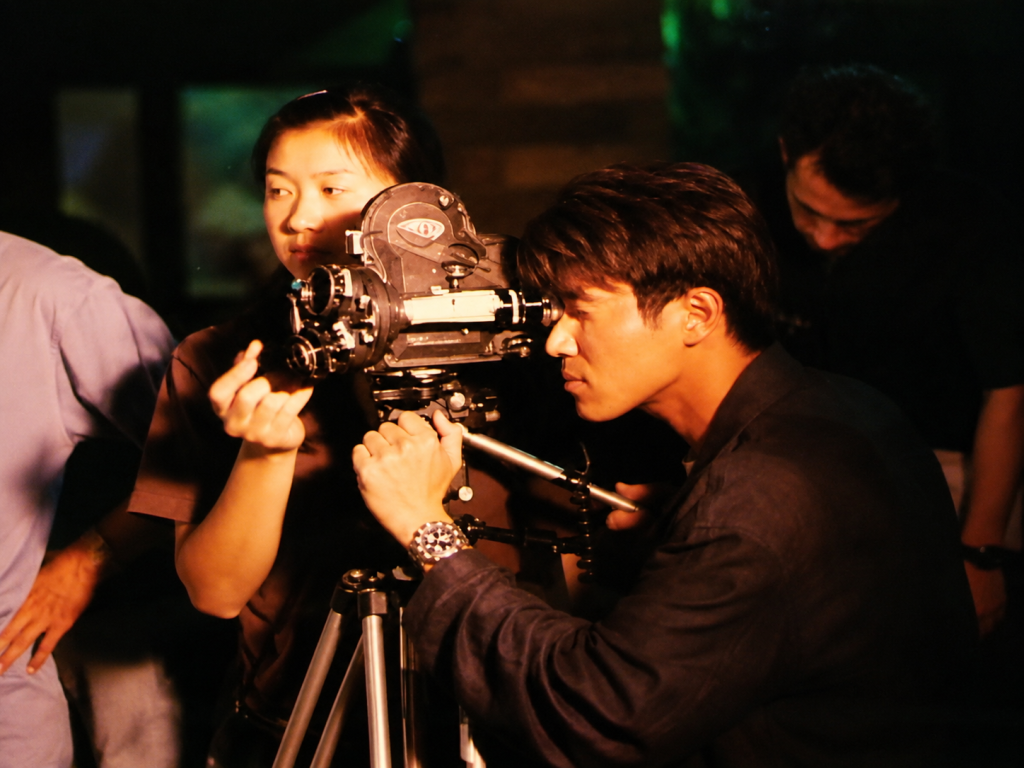
권승태 교수는 한국방송통신대학교 미디어영상학과 전임대우 강의교수로 재직하며 ‘1인미디어기획제작’, ‘디지털영상편집’ 등을 강의하고 있다. 콘텐츠 기획과 영상스토리텔링, AI 기반 미디어 교육 분야를 연구하고 있다.
주요 저서
- 『AI 생성이미지의 이해와 활용』(2025)
- 『1인미디어기획제작』(2022, 공저)
- 『디지털영상편집』(2021,공저)
<독자 여러분의 의견을 기다립니다>
이번 인터뷰가 인상 깊었다면 더미디어저널리스트 카카오톡 채널로 의견을 보내주세요.
독자 여러분의 의견은 다음 인터뷰와 시리즈 제작에 소중한 밑거름이 됩니다.
카카오톡 채널 : 더미디어저널리스트
[Launch Interview③] Professor Kwon Seung-tae — What Will Remain Uniquely Human in the Age of AI?
Great content is never created by one person’s ability alone. To explain this, Professor Kwon Seung-tae introduced the concept of an “actor.” In his view, not only people but also software, AI, cameras, and even physical locations can participate in shaping the final outcome.
“Software can be an actor. AI can be an actor. A camera can be an actor, and a location can be an actor. Everything can become an actor.”
What truly matters in producing strong work, he said, is how carefully those different elements are connected and coordinated.
“You should never think, ‘I did all of this by myself.’ It is not simply because of my own ability. Everything comes from somewhere else.”
He sees the director’s role in much the same way.
“A director is the person who coordinates all of those elements, takes responsibility for the process to the end, and brings the work to a high level of completion.”
From that perspective, AI has naturally become another actor within this network.
“We have reached a point where we need to collaborate with AI as an actor.”
Still, he draws a gentle distinction when it comes to planning. Choosing the subject matter and deciding how to develop it, he argues, remain fundamentally human responsibilities.
“Ultimately, good planning is done by humans, not AI. AI cannot do that kind of planning.”
“There Are Forms of Collaboration AI Cannot Do”
Professor Kwon said that even in an age of widespread AI use, human connection and collaboration remain deeply important.
“If we want to create good work in the future, collaboration will still be necessary. The problem is that AI cannot engage in that kind of collaboration.”
What he emphasized, quietly but firmly, was networking and communication.
“No matter how effectively we use AI, the key to producing good work is networking and collaboration. It comes down to communication and collaboration.”
Alongside planning, another quality he values is the willingness to pursue what is “real.” Rather than relying on familiar assumptions or prejudices to judge a situation too quickly, he believes people need to look closely at what is actually there.
“To pursue what is truly real — reality itself — and to have the courage to break through conventional assumptions and confront what is actually there, that is something AI does not understand.”
He sees this as an area that remains uniquely human.
“Even in the age of AI, what matters more than the ability to use AI are these fundamental human capacities: communication, planning, and the desire to seek truth. These are basic human abilities, and I believe they will become even more important.”
“Understanding Young People Comes Before Judging Their Resistance to AI”
AI is also one of the issues Professor Kwon continues to think carefully about in the classroom. He said he is constantly considering how to introduce AI to students and how to talk with them about accepting and using it.
He does not dismiss the resistance younger generations may feel toward AI.
“I think it is inevitable that young people will feel a kind of existential resistance toward AI.”
He sees that response as rooted in an increasingly competitive environment. Opportunities have narrowed, the threshold for employment has risen, and AI has now been added to the equation.
“From the perspective of younger generations, AI can make a world that is already difficult feel even harder to live in.”
He is also aware that if an educator appears to defend AI uncritically, students may quickly shut down. For that reason, he believes the first step is to make clear that he is trying to understand their position.
“How can I understand them and speak to them as someone who is on their side?”
“Before Blaming a Generation, We Need to Look at Ourselves”
His perspective on younger generations extends beyond AI.
Young people are often criticized for lacking independence or struggling with communication, but Professor Kwon cautions against reducing them to such judgments. In his view, the responsibility does not lie with younger people alone, but also with the generations and systems that shaped them.
“That is on us. We made them this way.”
He carefully pointed out that today’s younger generation did not simply choose to become what they are. They grew up within an environment created by older generations.
“They became this way because we made them this way. We created this world, we educated them this way, and schools educated them this way.”
He specifically mentioned the way schools and private education often provide students with everything they need in an extremely attentive manner. That environment, he suggested, may inadvertently reduce opportunities for students to develop the ability to work things out independently.
“If things are not explained and taken care of for them in a very accommodating way, they can struggle to get things done.”
But the workplace operates differently.
“Companies do not work the way private academy teachers do.”
He described the difficulty faced by young people who enter society without having had enough opportunities in school to handle things independently.
“If you were never taught how to do things independently in school, and then someone suddenly tells you to work independently, you may not know what to do.”
Universities are not exempt from this pattern either. With relative grading and intense competition for grades, he said, “college has become an extension of the college entrance race.”
For that reason, what he emphasizes is not blaming students, but understanding them and recognizing the responsibility educators have to help them grow.
“I think it is very important to educate students in a way that helps them become independent.”
“You Need a World of Your Own”
Professor Kwon also believes that students need time to gradually develop a creative world of their own.
“Creative work is difficult. Working hard for a short period of time does not suddenly produce something good.”
He explained his point by comparing content creation to music and visual art.
“Just because you work hard in class and do exactly what a professor tells you to do does not mean you suddenly become a better singer or a better artist.”
He believes the same principle applies to video content.
“If you want your own work to become good, you need a world of your own. Your own worldview.”
He also emphasized the importance of knowing what one truly likes and continuing to explore that world over time.
“You need to know what you like, and you need to keep exploring that world. When you pursue it with passion and then collaborate with other people, that is when good work emerges.”
He views creative ability not as something completed in a short period of time, but as something shaped gradually through accumulated experience, aptitude, and passion.
“It is determined by what you have accumulated since childhood, your innate abilities, your own aptitude, and your passion.”
A Professor Who Tries to Understand Rather Than Judge
What stood out throughout the interview was the way Professor Kwon approached younger generations.
When students feel uneasy about AI, he does not rush to persuade them of the technology’s necessity. Instead, he first tries to understand why they feel uncomfortable and what kind of competitive environment they are navigating every day.
His attitude is much the same when discussing the broader criticism directed at younger generations. Rather than focusing first on what students lack, he turns the question back toward his own generation, saying, “We made them this way.”
What came through in those remarks was not so much a desire to instruct others as a willingness to first understand where they are coming from.
In that sense, Professor Kwon Seung-tae is an educator who genuinely tries to understand a generation before judging it.
Who Is Professor Kwon Seung-tae?
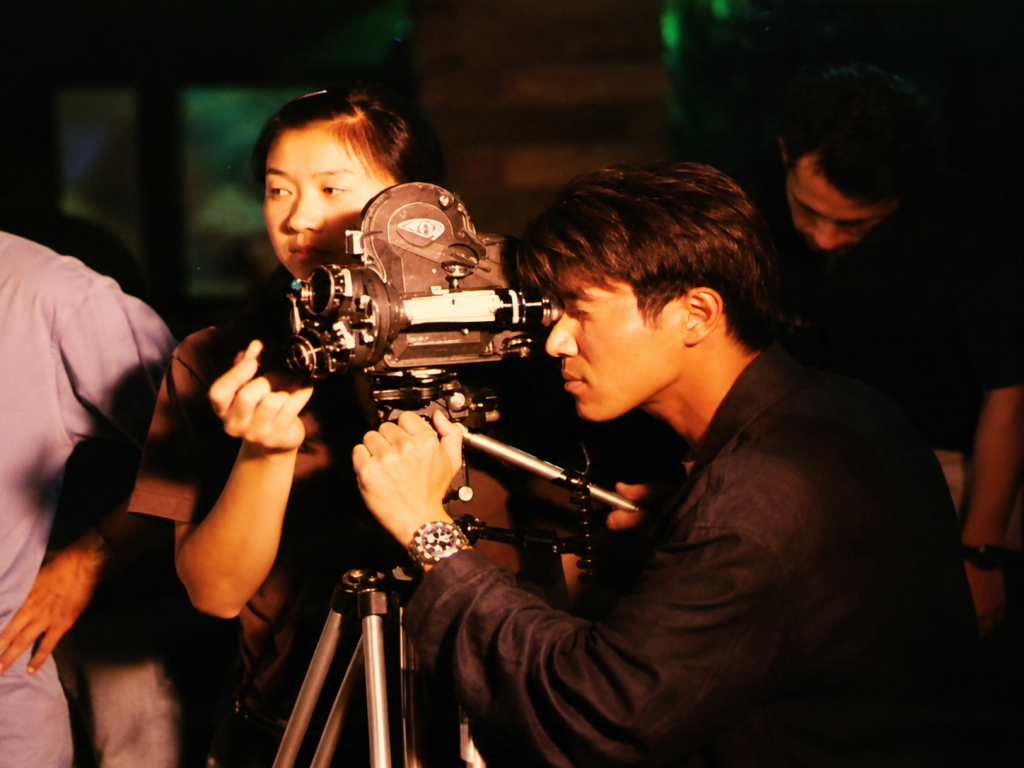
Photo: Professor Kwon Seung-tae during his years of professional field experience. (Courtesy of Professor Kwon)
Professor Kwon Seung-tae is a full-time lecturer in the Department of Media and Communication at Korea National Open University, where he teaches courses including One-Person Media Planning and Production and Digital Video Editing. His research focuses on content planning, visual storytelling, and AI-powered media education.
Major Publications
- Understanding and Utilizing AI-Generated Images (2025)
- One-Person Media Planning and Production (Co-author, 2022)
- Digital Video Editing (Co-author, 2021)
저작권자 © '더미디어저널리스트' 무단전재 및 재배포, AI학습 및 활용 금지
작성자 소개