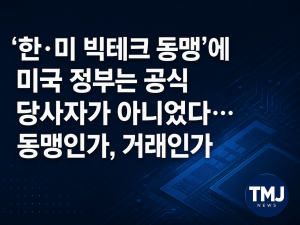
HBM4 시대, 한국 반도체가 AI의 심장을 만든다
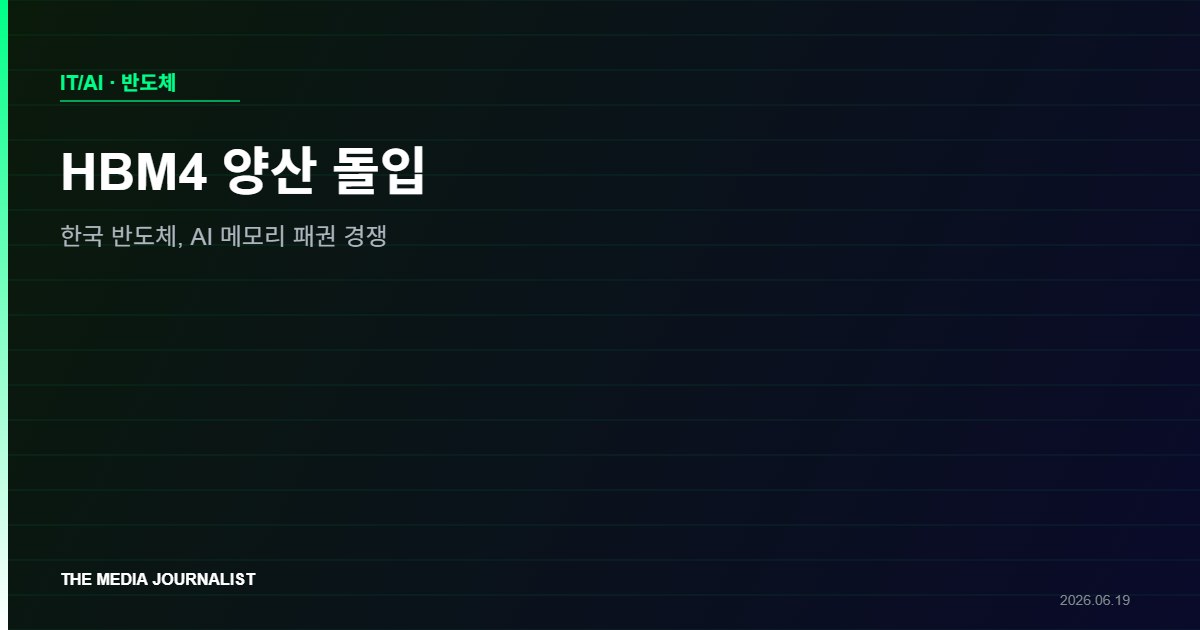
2026년 6월, 삼성전자와 SK하이닉스가 차세대 고대역폭 메모리(HBM4) 양산에 본격 돌입했다. AI 가속기 수요가 폭발적으로 증가하는 가운데, 한국의 반도체 산업이 글로벌 AI 인프라의 핵심 공급처로 부상하고 있다.
HBM(High Bandwidth Memory)은 AI 연산에 필수적인 초고속 메모리 반도체다. 엔비디아의 H100, B200 등 AI 가속기에 탑재되는 이 메모리는 일반 D램보다 수배 높은 처리 속도를 자랑한다. SK하이닉스는 이미 HBM3E 시장을 선점했으며, 이번 HBM4는 기존 대비 데이터 전송 속도가 50% 이상 향상된 것이 특징이다.
AI 붐이 반도체 산업을 바꾼다
챗GPT, 제미나이, 클로드 등 생성형 AI 서비스의 폭발적 성장은 AI 데이터센터 수요를 빠르게 늘리고 있다. 이는 고성능 AI 메모리인 HBM 수요 급증으로 이어진다. 시장조사업체 트렌드포스는 2026년 HBM 시장이 2024년 대비 2배 이상 성장할 것으로 전망했다.
한국의 반도체 산업은 이 기회를 놓치지 않고 있다. 삼성전자와 SK하이닉스의 HBM4 양산 경쟁은 단순한 기업 간 경쟁이 아니라, AI 시대 글로벌 기술 패권을 둘러싼 국가 전략의 일환이기도 하다.
과제와 전망
물론 도전도 있다. 미국의 대중 반도체 수출 규제 강화, 중국 반도체 산업의 추격, 그리고 에너지 집약적인 반도체 공정이 야기하는 환경 문제 등이 복합적으로 얽혀 있다. 한국 반도체 산업이 지속적인 경쟁 우위를 유지하려면 인재 양성, R&D 투자, 그리고 공급망 다변화가 필수적이다.
Samsung and SK Hynix Launch Mass Production of HBM4 — South Korea’s Semiconductor Industry Enters the Battle for AI Memory Supremacy
The HBM4 Era: South Korea’s Semiconductor Sector Is Building the Heart of AI
In June 2026, Samsung Electronics and SK Hynix have moved into full-scale mass production of the next-generation High Bandwidth Memory 4 (HBM4). As demand for AI accelerators continues to surge, South Korea’s semiconductor industry is emerging as the critical supplier for global AI infrastructure.
HBM is an ultra-high-speed memory semiconductor essential for AI computation. Installed in AI accelerators such as NVIDIA’s H100 and B200, this memory delivers several times the processing speed of conventional DRAM. SK Hynix had already secured a leading position in the HBM3E market, and the new HBM4 features data transfer speeds more than fifty percent faster than its predecessor.
The AI Boom Is Transforming the Semiconductor Industry
The explosive growth of generative AI services—including ChatGPT, Gemini, and Claude—is rapidly expanding demand for AI data centers, which in turn is driving a sharp increase in demand for high-performance HBM. Market research firm TrendForce has projected that the HBM market in 2026 will more than double its 2024 scale.
South Korea’s semiconductor industry is not letting this opportunity pass. The race between Samsung Electronics and SK Hynix to produce HBM4 is not merely a competition between two companies. It is also part of a national strategy centered on securing technological dominance in the AI era.
Challenges and Outlook
Challenges remain. Tightening US export controls on semiconductors bound for China, the accelerating push by China’s own semiconductor sector, and the environmental concerns raised by energy-intensive chip manufacturing processes are all intertwined. For South Korea’s semiconductor industry to sustain its competitive edge, investment in talent development, research and development, and diversification of supply chains will be essential.
저작권자 © '더미디어저널리스트' 무단전재 및 재배포, AI학습 및 활용 금지
작성자 소개